Gen-Z Sahid Diwas
विशेष अडियो सामग्री
Tap to listen
Gen Z Martyrs’ Day is not merely a day of remembrance; it is an important day to honor the voices of young people who stood up for change, good governance, and accountability in the country. Millions of Gen Z youths took to the streets with the hope of securing their future and building a transparent system of governance. This day holds a special historical significance as a time to remember their sacrifice, courage, and dedication to the country and its pursuit of change.
On Bhadra 23 and 24, 2082 B.S., Gen Z youths launched a movement demanding an end to corruption, good governance, transparency, and accountability. Their movement was not simply an expression of dissatisfaction with the government of the time; it was a challenge to the traditional style of governance and a clear demand for a new, responsible, and transparent system. However, that call for change came at a heavy cost. Many young people lost their lives during the movement, leaving families devastated by the loss of their loved ones. Their deaths caused an irreparable loss to their families and deepened the pain and anger felt by young people across the country. The dreams they held for change and the sacrifices they made for those dreams will remain memorable for generations.
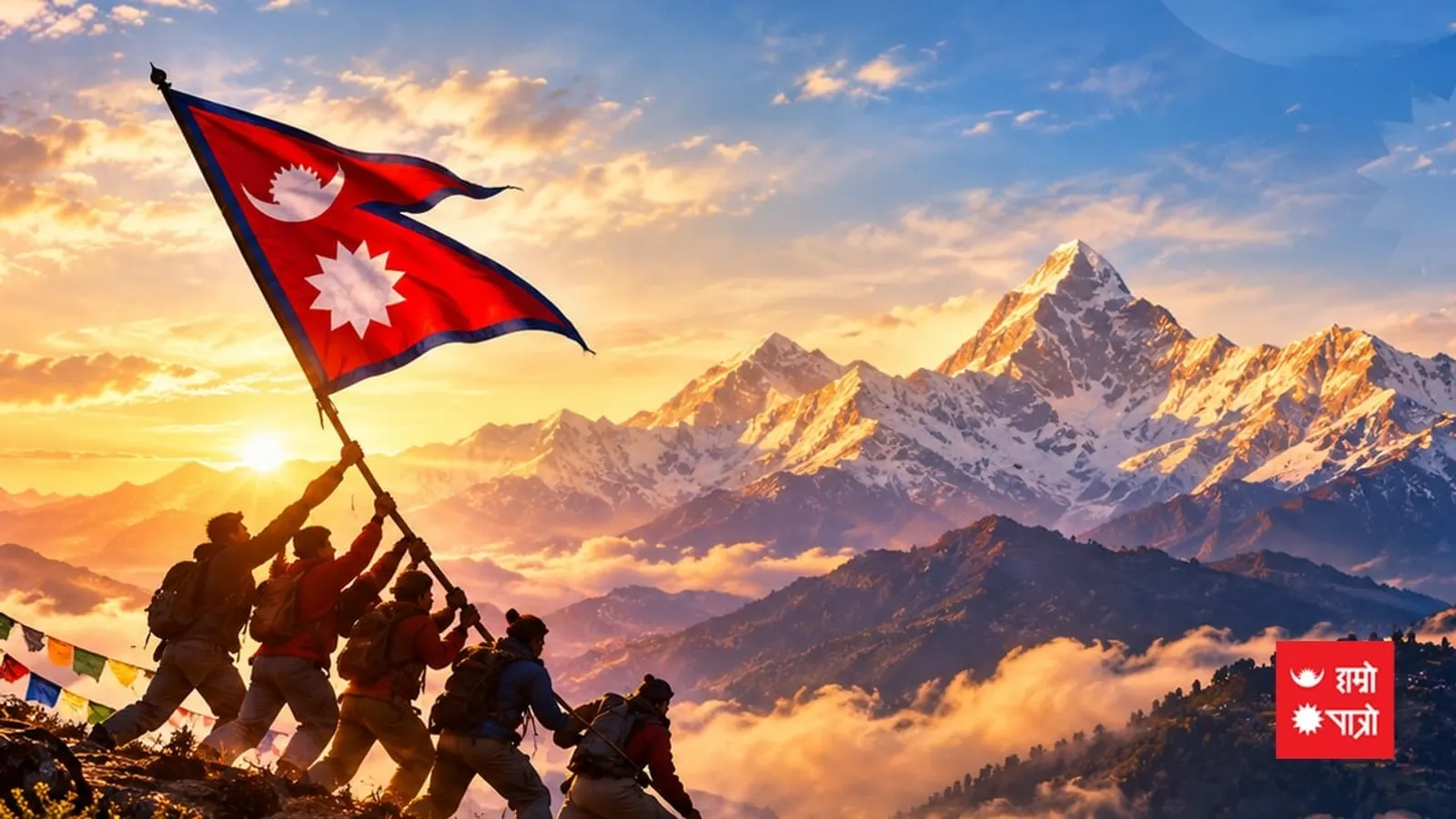
In recognition of the contributions and sacrifices of the young people who lost their lives during the Gen Z movement, the interim government led by former Chief Justice and Nepal’s first woman Prime Minister Sushila Karki officially recognized the movement’s martyrs. A Cabinet meeting held on Mangsir 15, 2082 B.S., decided to observe ‘Gen Z Martyrs’ Day’ in their memory.
The main purpose of this decision is to institutionalize and advance the determination expressed by Gen Z youths to end corruption and establish transparency and good governance. The day not only commemorates the martyrs but also raises an important question: How seriously has the state embraced the legitimate demands they raised?
As we observe Gen Z Martyrs’ Day, it is essential to acknowledge both the dreams of the young people who lost their lives and the pain of their families. Those lives can never be brought back, but it is the responsibility of both society and the state to keep alive the voices they raised and the sacrifices they made.
This day reminds us that every major transformation can sometimes demand a heavy price. That price should not be confined to a page in history; it should serve as an inspiration to build responsible governance and a better future. The true tribute to the Gen Z martyrs will come only when the dream of a transparent, accountable, and well-governed Nepal that they envisioned is transformed into reality.
May the present government fulfill the dreams and aspirations of the Gen Z martyrs and honor the voices they raised. May Nepal never again have to witness such sacrifices for change, and may the state always remember and reflect upon the sacrifices made by its young people.
Heartfelt tribute to the Gen Z martyrs!
Pradosh Vrata
Exclusive audio
Tap to listen
Pradosh Vrata
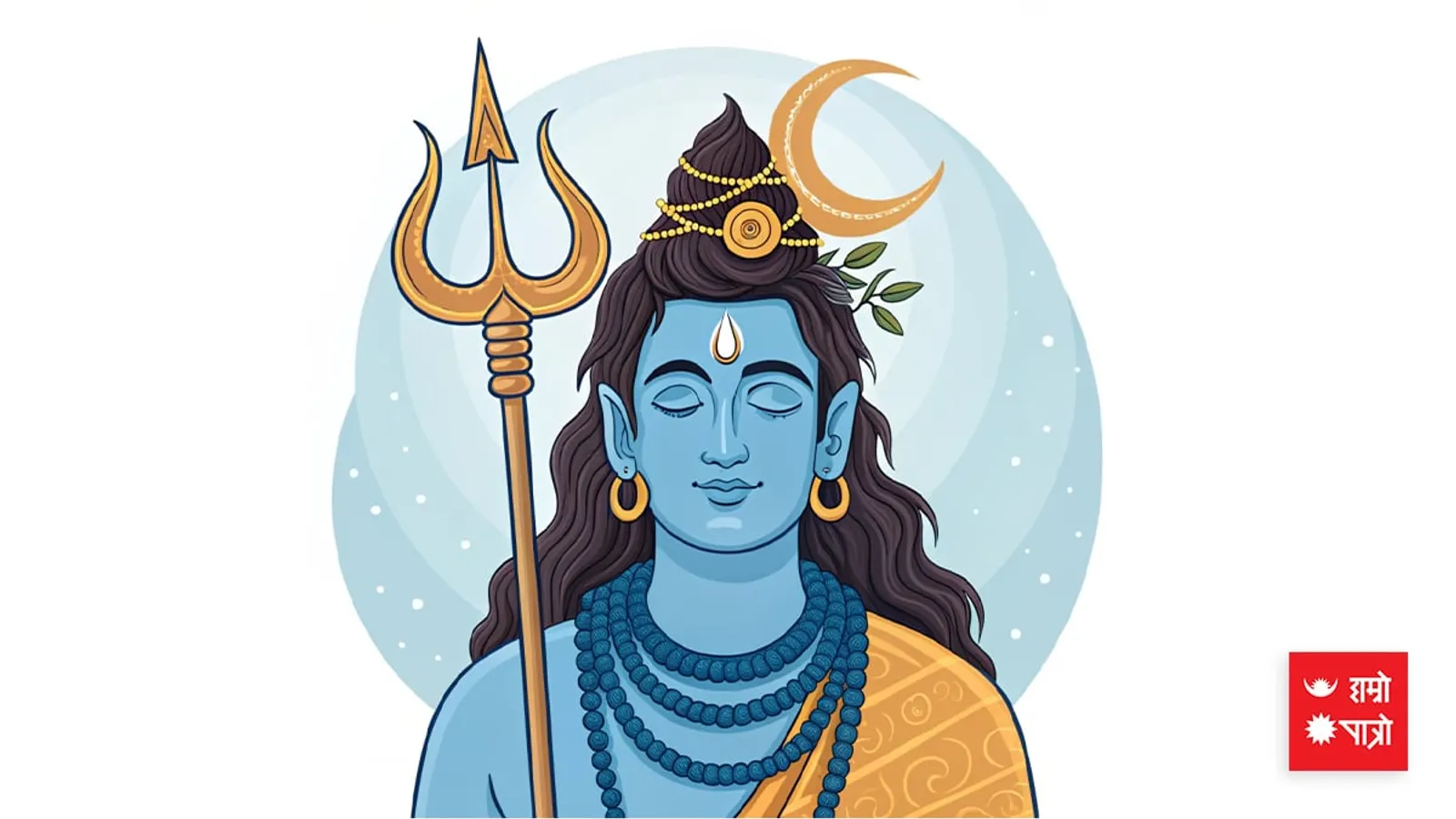
Triodashi is called Pradosh. Like Ekadashi, Pradosh is important every month, Vishnu is remembered in Ekadashi and Shiva is remembered in Pradosh. Pradosh begins 45 minutes before sunset and ends 45 minutes after sunset.
Which part do you find most inspiring while listening/reading the story of Pradosh Vrata?
Pradosh Katha
It is mentioned in the scriptures that Lord Shiva cured the disease of the moon on the day of Triodashi, when the effect of the moon was diminishing.
Due to this, Pradosh Vrat is observed in Triodashi of every month in remembrance of Lord Shiva. It is more fruitful to worship Shiva in the time of pradosh.

International Literacy Day
Exclusive audio
Tap to listen
Background:
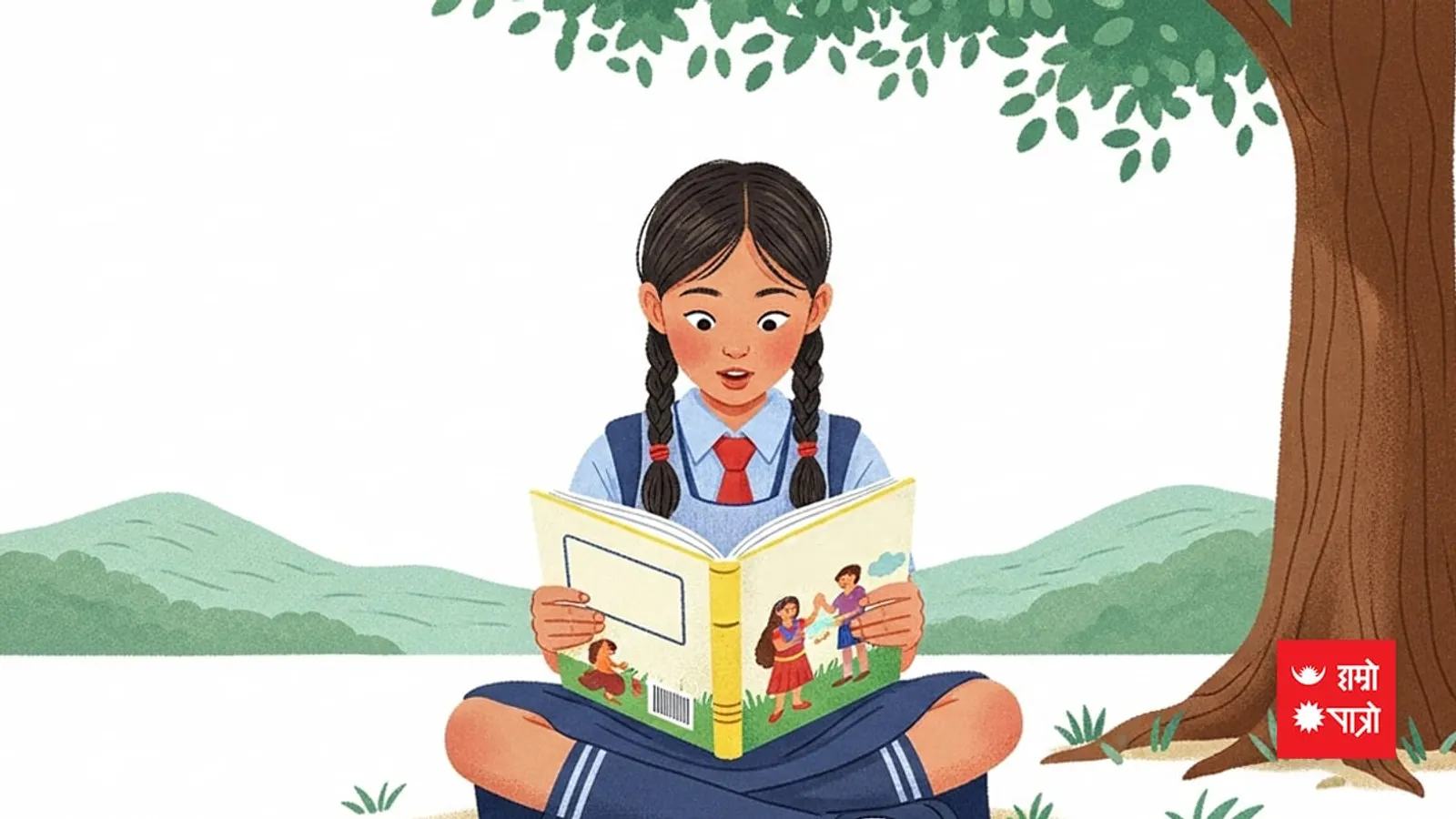
September 8, World Literacy Day. In 1965, UNESCO declared September 8 of each year as World Literacy Day. Schools, communities, and institutions around the world celebrate this day spontaneously in various ways to spread awareness for literacy.
It is everyone's responsibility to make everyone literate. From Nepal's perspective, the digital age and its utilization for digital education and awareness for literacy is still inadequate. Hand-held mobiles and home-based internet should not be just a waste of time to communicate and spend time without education and literacy.
In Nepal, it is important to give continuity to programs including early education because education is important for everyone, be it children or the elderly. From kharipati and dhulopati to carving letters, from blackboard and slate, from reading Ka, Kha alphabets on the chart hanging on the wall to the generation knowing the letters from the computer screen, Nepali society has witnessed a lot of transformation on its education system.
How can we make everyone literate is the question for today, whether it is by reading alphabet books or by giving them free daily reading or by creating a reading environment to take them to school.
Meaning: Education is the supreme wealth.


World Physiotherapy Day
Exclusive audio
Tap to listen
Background:
Various muscular problems, bone problems, and stiffness can distract a person from this skill and practice of mobility, maintaining the same mobility requires the skill and study of physiotherapists. With this need in mind, World Physiotherapy Day is celebrated on September 8 every year with various programs.
World Physical Therapy Day is on 8th September every year. The day is an opportunity for physiotherapists from all over the world to raise awareness about the crucial contribution the profession makes to keeping people well, mobile and independent.
In 1813, Swiss gymnast Henrik Ligan opened the Royal Institute of Gymnastics. The organization was the first in the world to introduce massages, remedial exercises, and other exercises for mobility and pain relief.
The Chartered Society of Physiotherapy was opened in Britain in 1894, and the first college of physiotherapy was at Walter Reed Army Hospital in Washington, DC. A physiotherapy branch was started in this hospital during the First World War.
History of physiotherapy in Nepal
In Nepal, the history of physiotherapy can be traced back to a few decades ago when some private hospitals formally started this as a new medical system. In the 1980s, physiotherapy was practiced through military hospitals, leprosy prevention therapies, and some trained health workers from India. In 1983, the IOM formally recognized physiotherapy as a 30-month post-SLC course.
In this process, we have a history of about 50 people being trained till 1990, but again in 1990, physiotherapy teaching was stopped in Nepal. However, there were various informal trainings and on-the-job trainings. Since 2002, Dhulikhel Medical Institute has formally started physiotherapy. Since then, the number of courses and service providers has been increasing in Nepal.
After the armed conflict, after 2063 BS, physiotherapy was used extensively in military camps and hospitals for the rehabilitation and recuperation of wounded and injured soldiers. NEPTA is a professional association of Nepali physiotherapists. Physiotherapy is the backbone of treatment in itself, and today back and neck pain has become the most common and recurring pain due to a more hectic lifestyle and constant use of computers and mobiles, isn't it?


दाम्पत्य जीवन सुमधुर रहनेछ। आपसी कुराकानीले समस्याहरु सुल्झिनेछन्। रोजगारीलाई लिएर समस्या आउनेछ सचेत रहनुहोला । साझेदारी व्यापारमा लाभ रहनेछ। आजको शुभ रंग निलो हो भने शुभ अंक २ रहेको छ।
