
Why Nepal Must Prioritise Labour Agreements
myrepublica.nagariknetwork.com · Mon Feb 09 00:15:00 GMT 2026
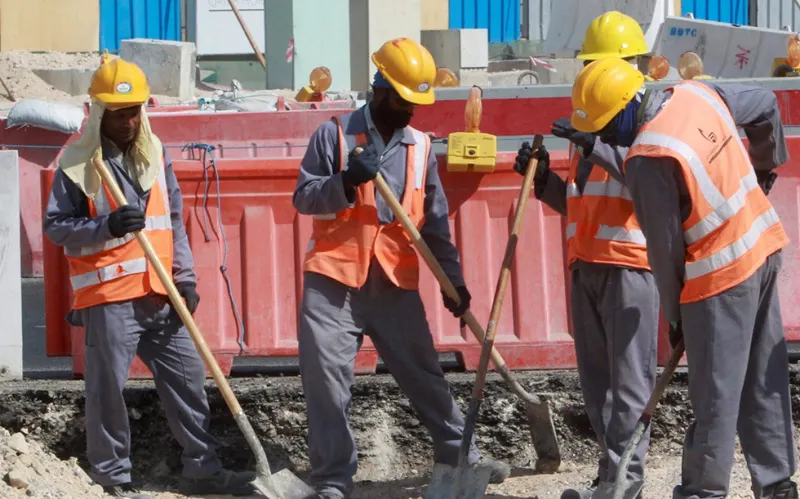
Nepal has opened foreign employment opportunities in 149 countries, often presented as a sign of diplomatic reach and labour mobility. Yet the more concerning figure is that the government has signed bilateral labour agreements with only 13 of those destinations. For a country that relies heavily on foreign employment to sustain households and support the national economy, this gap is not merely administrative—it is a failure of state responsibility. The recent signing of a labour agreement with Saudi Arabia is a welcome step. An estimated 340,000 Nepali workers are employed in Saudi Arabia alone, many of whom have spent years without the protection of a formal state-to-state framework. Until now, the absence of an agreement exposed workers to exploitative practices, including the much-criticised Kafala system, which restricts workers’ freedom to change jobs or return home without employer consent. That such vulnerabilities persisted for decades underscores how reactive, rather than proactive, Nepal’s labour diplomacy has been. A similar situation exists in most other labour destinations. In countries where no bilateral labour agreements exist, Nepali workers routinely face wage exploitation, unsafe working and living conditions, arbitrary contract changes, and weak or inaccessible grievance redress mechanisms.
Read full story at source (myrepublica.nagariknetwork.com)