
Mediators Push for Iran-US Deal to Reopen Strait of Hormuz Amidst Standoff
english.ratopati.com · Tue Sep 29 05:38:06 GMT 2026
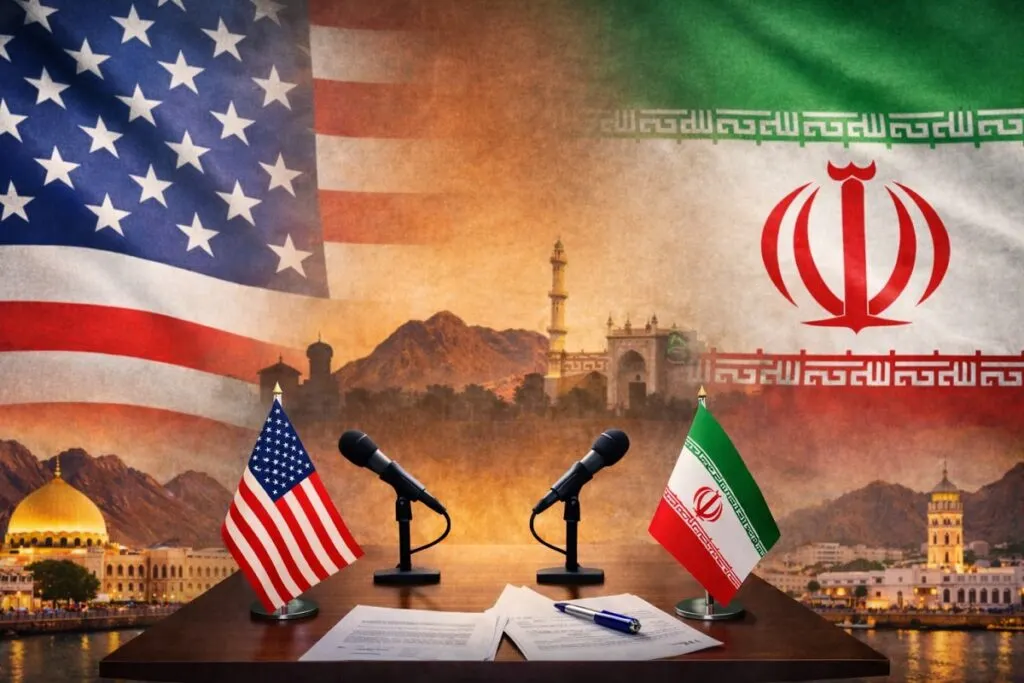
Mediators are intensifying efforts to end the eight-month conflict between Iran and the United States and reopen the Strait of Hormuz. Although a plan is proposed to first reopen the strait and lift the US blockade, followed by an agreement on sanctions and nuclear issues, major differences remain between the two sides. According to three regional and two US officials, mediators are holding indirect talks with both parties. The draft under discussion proposes that Iran will reopen the strait through a separate understanding with Oman, temporarily managing the passage of commercial ships. Previous attempts to ensure safe passage of ships in the strait had failed. US President Donald Trump initially rejected Iran's proposal to open the strait within a week. Iran has reportedly demanded the lifting of the US port blockade, the release of frozen assets, and concessions on oil sales sanctions. Iranian Foreign Minister Abbas Araghchi remains in New York after the UN General Assembly. He is expected to discuss the latest proposal with Qatari mediators. He also met with Secretary-General Antonio Guterres. Guterres' office welcomed the diplomatic efforts and urged both sides to engage in talks. According to US officials, the Trump administration does not wish to reach an agreement without concrete progress on the nuclear issue. While the US may offer relief on sanctions and release some frozen assets, it seeks concessions from Iran on the nuclear front. Iran has also reportedly shown signs of flexibility on this issue. Regional officials stated that the US is seeking concessions such as allowing nuclear inspectors into Iran. US officials doubt that Iran will accept Trump's conditions. They stated that the US will exercise caution regarding Iran's commitments following the incident where commercial ships in Hormuz were fired upon, violating the interim understanding. US officials believe their negotiating position is strengthening as the impact of sanctions on Iran increases. Iran's latest proposal includes some aspects of the June understanding, but the pace of implementation differs. Araghchi said that the seven-day deadline would begin once the US accepts the plan. Both sides are currently under economic pressure. Oil prices are rising due to attacks in Hormuz, while Iran is under pressure from the US naval blockade and sanctions affecting oil sales. Meanwhile, regional countries are facing missile and drone attacks. Iran's latest proposal also includes ending the fight on all fronts, including Lebanon. Iran-backed Houthi rebels in Yemen are active at the southern entrance of the Bab al-Mandeb Strait, further pressuring the global energy market. Iran has maintained that the Houthis have their own demands and that their conflict with Saudi Arabia is separate from the US-Iran war. Iranian officials have also stated their readiness to help broker an understanding between the Houthis and Saudi Arabia.
Read full story at source (english.ratopati.com)