
Government Decides to Continue Search and Recovery in Bhote Koshi Flood Affected Areas
english.ratopati.com · Wed Sep 30 16:12:59 GMT 2026
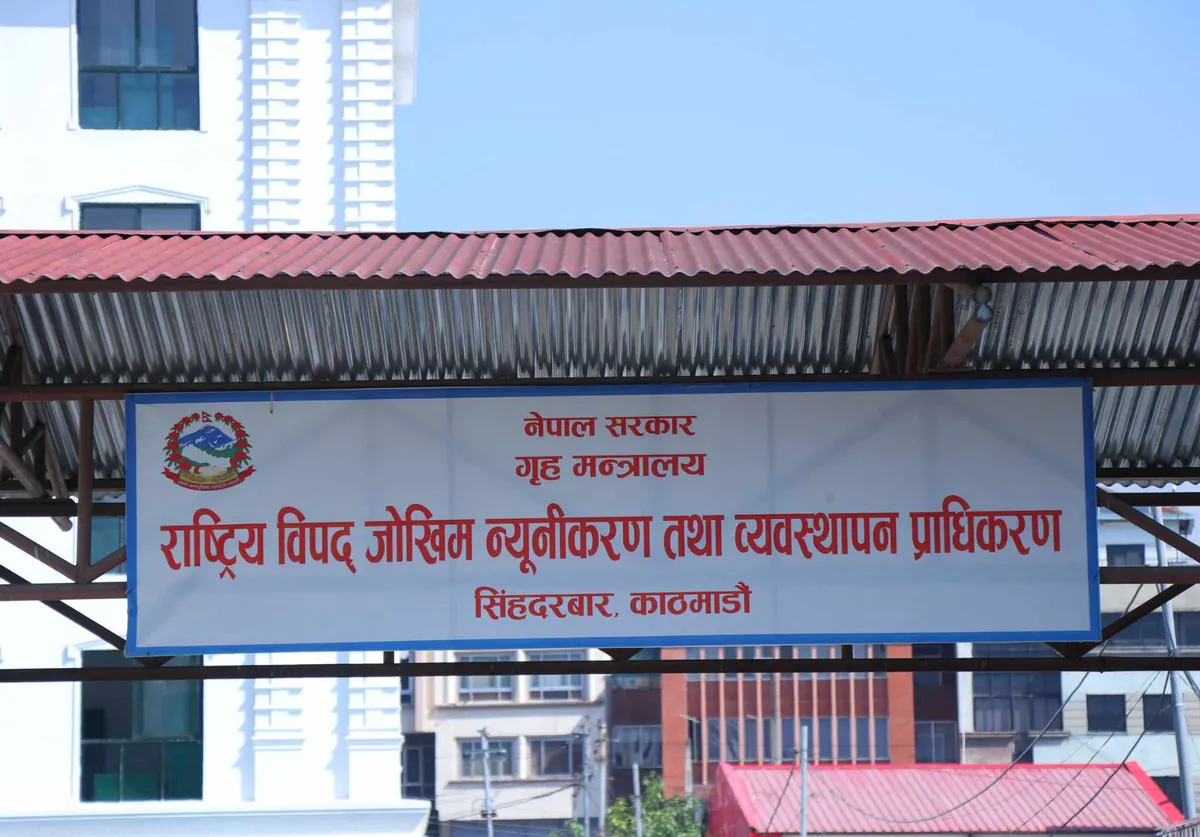
Kathmandu. The government has decided to advance 'search and recovery' in the flood-affected areas of the Bhote Koshi river in Rasuwa. The 37th meeting of the National Disaster Risk Reduction and Management Executive Committee, chaired by Home Minister Sudhan Gurung at Singha Durbar, made this decision after reviewing the dire situation caused by the flood, search and rescue, relief, and temporary settlement. Executive Chief of the National Disaster Risk Reduction and Management Authority, Dr. Dharmaraj Upreti, clarified at a press conference that the search is currently ongoing. He stated, "We are continuing the search; two tunnels are still in progress. In terms of rescue, we have entered a new phase and have moved beyond rescue to begin work on rehabilitation." According to Chief Dr. Upreti, a large number of forensic tests are being conducted using scientific methods to identify the decomposed bodies of citizens who lost their lives in the flood. Currently, DNA testing of a total of 3,685 forensic samples is underway at two forensic science laboratories. According to the ministry, 1,957 samples have been received at the Nepal Police Central Forensic Science Laboratory in Samakhushi, Kathmandu, and 1,728 samples at the National Forensic Science Laboratory. International expert teams from various friendly nations have also arrived in Nepal and are deployed in the field to expedite the scientific testing and identification of bodies and remains. Currently, technical teams from five countries are deployed in Nepal, including 19 from India, 15 from China, three DNA experts from South Korea, three fingerprint experts from the United States, and two from Singapore. According to the authority, a total of 5,285 people are missing due to the Rasuwa-Bhote Koshi flood and monsoon-related disasters. So far, a total of 1,454 bodies and human remains have been found in the flood-affected areas, of which only 112 have been identified. Based on the nature of the found bodies and body parts, there are 585 male bodies, 336 female bodies, and 533 partial human remains that could not be identified. Out of the 1,451 bodies and remains found so far, 1,292 bodies have been safely managed underground. Additionally, 112 bodies whose identities have been confirmed and other procedures completed have been handed over to their families. Similarly, the meeting reviewed the search, rescue, and relief efforts and achievements made so far by various teams, including the Nepali Army, Nepal Police, and Armed Police Force Nepal, deployed in the flood-affected areas since Bhadra 10. Given the diminishing possibility of rescuing survivors after a long period since the disaster and recommendations from the rescue teams and district security committees to halt the current search and rescue phase, the government has decided to focus resources on search and recovery. As per the decision, instead of regular rescue, the recovery of bodies and structures will be prioritized in areas except for those requiring urgent and essential search and rescue. The meeting reviewed the complexities created by existing legal provisions regarding missing persons and the obstacles in relief distribution. Although the existing Disaster Risk Reduction and Management Act, 2074, and Regulations, 2076, provide for minimum relief to the families of deceased persons, there is no clear provision for immediate relief to missing persons as if they were deceased. According to Section 40 of the Civil Code, 2074, in normal circumstances, a person is presumed dead only if they have been missing for 12 consecutive years without any information. However, the same code provides for judicial declaration of death by a court after five years for individuals reaching the age of 80, after four years from the end of the war for soldiers deployed in the battlefield, and after three years from the date of the accident for air, ship, or vehicle accidents, based on special circumstances and age. Even after such a declaration by the court, the provision allows for the cancellation of the judicial declaration if the concerned person returns alive. Furthermore, Rule 17 of the National Identity Card and Civil Registration Regulations, 2077, mandates that the local registrar cannot register an incident without official certification if a person is missing or related. To ensure that affected families are not deprived of immediate relief and social security due to these long processes and restrictions in the existing laws, the Executive Committee has decided to provide a special administrative solution. Accordingly, the local level where the missing persons have their permanent address will verify the detailed information and send it to the concerned District Administration Office. The District Administration Office will then re-verify this information and send it to the National Disaster Risk Reduction and Management Authority. Upon receiving this information, the authority will proceed with relief and other legal processes for the families of the missing persons according to the special procedure determined by the authority. Similarly, the meeting decided to expedite the process of temporary housing, reconstruction, and rehabilitation for citizens who have lost their homes due to the flood. According to the details received so far, 278 families from 7 local levels have requested to stay in temporary shelters. Additionally, 400 families from Gosainkunda Rural Municipality in Rasuwa and 350 displaced families from Uttargaya and other rural municipalities are currently taking shelter in Bidur Municipality, Nuwakot, and the final details of their options are yet to be received. Until the permanent resettlement of the displaced families, safe locations will be selected based on the report submitted to the government by the Land Identification and Search Committee, formed by a ministerial decision of the Ministry of Land Management, Cooperatives, and Federal Affairs. Based on the land mentioned in the report, the Ministry of Physical Infrastructure Development will construct temporary housing by mobilizing various development partner organizations in coordination with the concerned local level, District Administration Office, and the Authority. Furthermore, to facilitate this settlement and resettlement process, it has been decided that the relevant bodies will initiate legal procedures to make necessary amendments to the existing legal provisions. The meeting also expressed appreciation and gratitude to the Nepali Army, Nepal Police, Armed Police Force Nepal, local administration, representatives, government employees, health workers, volunteers, the private sector, non-governmental organizations, civil society, the public, and media personnel who worked day and night amidst adverse weather and geographical difficulties in the Bhote Koshi flood and subsequent monsoon-related disasters. The meeting also formally expressed gratitude to all friendly nations that provided assistance by sending cash, search and rescue, and relief materials from within the country and abroad, as well as forensic expert teams to support during this difficult time of disaster.
Read full story at source (english.ratopati.com)