
Chasing Megawatts, Ignoring Risks
myrepublica.nagariknetwork.com · Fri May 15 00:16:57 GMT 2026
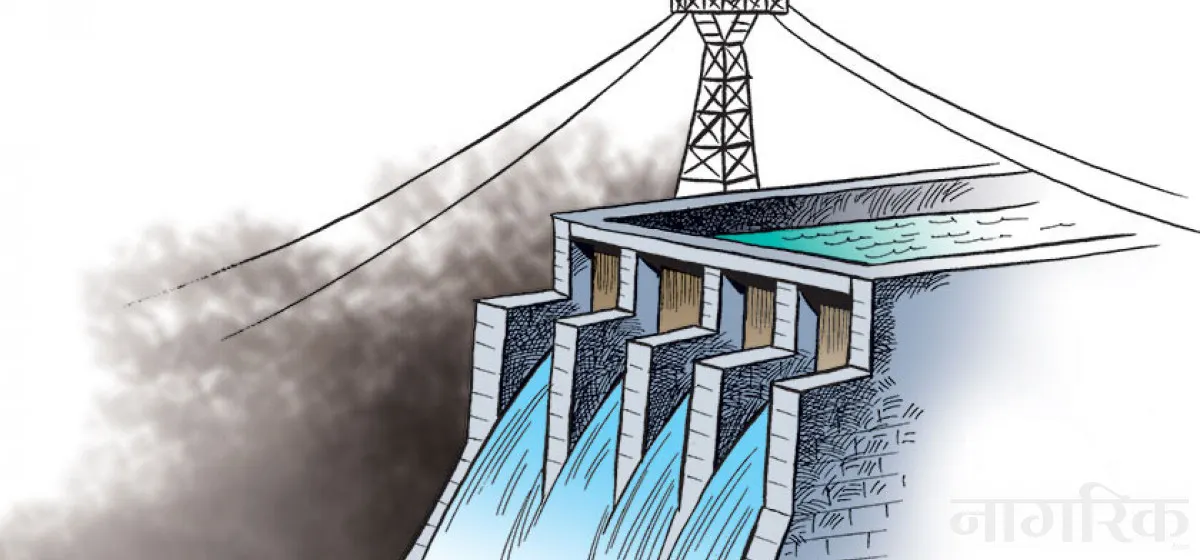
Nepal has set itself an enormous goal: generating 15,000 megawatts of electricity within five years and 30,000 megawatts within ten. The Rastriya Swatantra Party-led government sees hydropower as the engine that can drive industrial growth, exports and national prosperity. On paper, it sounds like the long-awaited breakthrough for a country blessed with rivers yet trapped for decades in energy scarcity. But experts are raising a difficult question that governments often prefer to ignore: what happens when a country produces far more power than it can use or sell? Nepal is no longer struggling only to produce electricity; it is also struggling to make hydropower profitable. Despite increases in population and the number of households, domestic demand has remained weak. Similarly, transmission infrastructure remains inadequate, while export markets—especially India—are becoming increasingly competitive due to the expansion of cheap solar power and regional energy grids. If policymakers continue chasing megawatt targets without addressing storage, pricing and market access, Nepal may end up building an energy empire on paper while creating financial stress in the real economy. The government deserves credit for thinking big. Nepal has spent too many years underestimating its hydropower potential. The country’s rivers can power homes, factories and public transport while reducing dependence on imported fossil fuels. Hydropower could also become a major export commodity, giving Nepal a stronger economic footing in South Asia.
Read full story at source (myrepublica.nagariknetwork.com)