
A Supply Crisis Must Not Become a Price Crisis
myrepublica.nagariknetwork.com · Fri Sep 04 00:19:35 GMT 2026
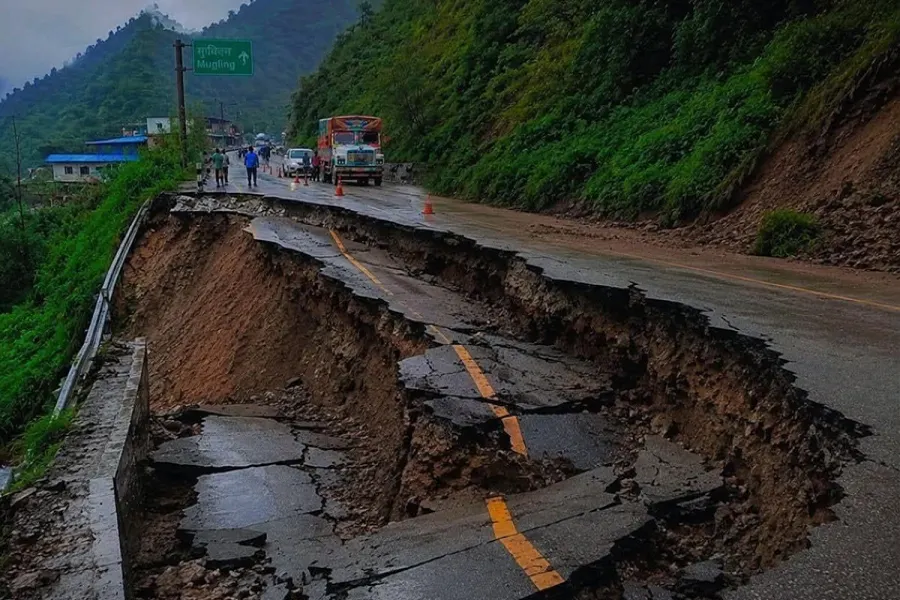
The Bhotekoshi and Trishuli floods have added to Kathmandu Valley’s problems, with shortages of vital supplies emerging as another concern. Besides addressing the high death toll and damage to houses, highways and bridges, the government must now ensure that disruptions to transportation do not become a pretext for unjustified price hikes on food and other essentials. The collapse of the Krishnabhir section of the Nagdhunga-Muglin road, one of the capital’s primary supply routes, needs to be repaired at the earliest to stabilize supplies to the capital. Meanwhile, flooding along the Trishuli River has damaged other sections of the road in Dhading, hampering the transportation of essential goods since Sunday. Alternative routes exist, but they are longer, more difficult to navigate and more expensive. A slight rise in prices is therefore understandable if traders are genuinely passing on additional transportation costs. However, this does not explain all of the recent price increases. Sugar, for example, has jumped from Rs 100 to Rs 140 per kilogram within a week. A 25-kilogram bag of Jeera Fine rice now costs Rs 2,500, up from Rs 1,900. Sunflower oil has risen from Rs 245 to more than Rs 300 per litre, while mustard oil has increased from Rs 340 to Rs 375. Rice, lentils and other staples have also seen price increases of 30 to 50 percent. These figures warrant investigation. If traders are exploiting the disruption to maximize profits, the government must intervene. A calamity that has already imposed such hardship on families cannot be turned into an opportunity for profiteering through artificial price hikes.
Read full story at source (myrepublica.nagariknetwork.com)