
The Regulatory Dam – Obstructing the Private Sector Flow
myrepublica.nagariknetwork.com · Wed Dec 17 00:55:00 GMT 2025
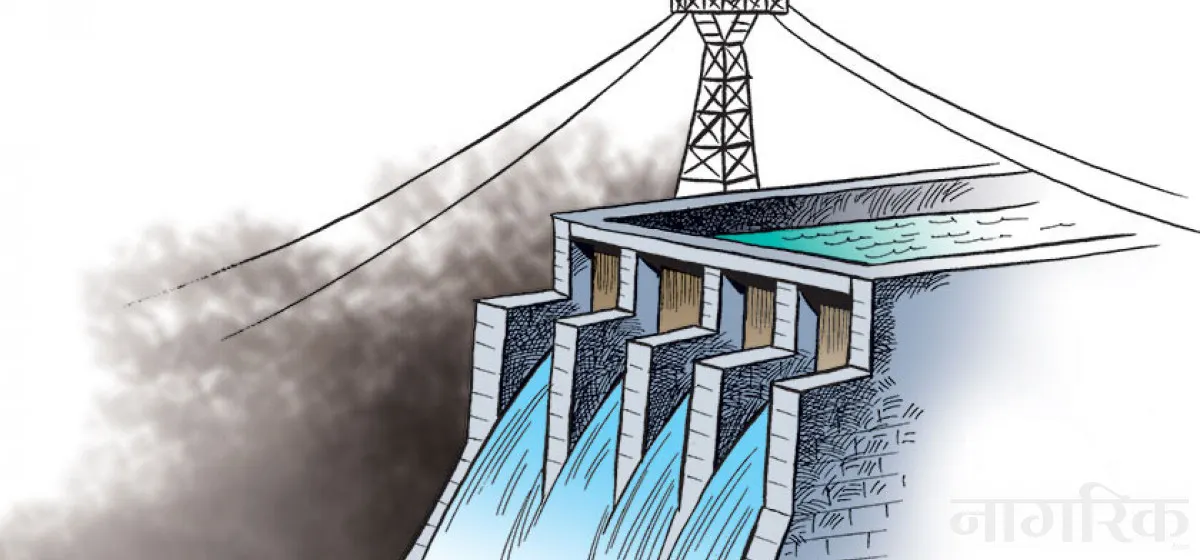
Nepal’s water resources are often termed “White Gold,” a label that implies prosperity for a nation geographically blessed with over 6,000 rivers and rivulets, according to the Water and Energy Commission Secretariat (WECS). While the seminal 1966 doctoral thesis by Dr Hari Man Shrestha established a theoretical capacity exceeding 83,000 MW, subsequent assessments by the NEA and WECS place the economically viable potential at roughly 40,000 MW. Hydropower is thus considered a vital engine, theoretically capable of driving Nepal from least-developed country (LDC) status to a middle-income economy. Yet, despite this potential, the sector remains shackled. While investors from India and Bangladesh scour the region for clean energy to fuel their growing economies, they frequently bypass Nepal for more predictable destinations such as Bhutan or even parts of Africa. The culprit is neither a lack of water nor a lack of capital, but a regulatory stranglehold maintained by a single state-owned entity. Although Nepal sits on a potential fortune of renewable energy, the state-maintained monopoly of the Nepal Electricity Authority (NEA) has transformed from a necessary guardian into a restrictive barrier, driving foreign capital to more liberal environments and leaving Nepal’s economic transformation mired in a legislative quagmire.
Read full story at source (myrepublica.nagariknetwork.com)