
Gen Z Movement Analysis: Government Representation and Societal Trends
english.ratopati.com · Mon Sep 07 18:15:00 GMT 2026
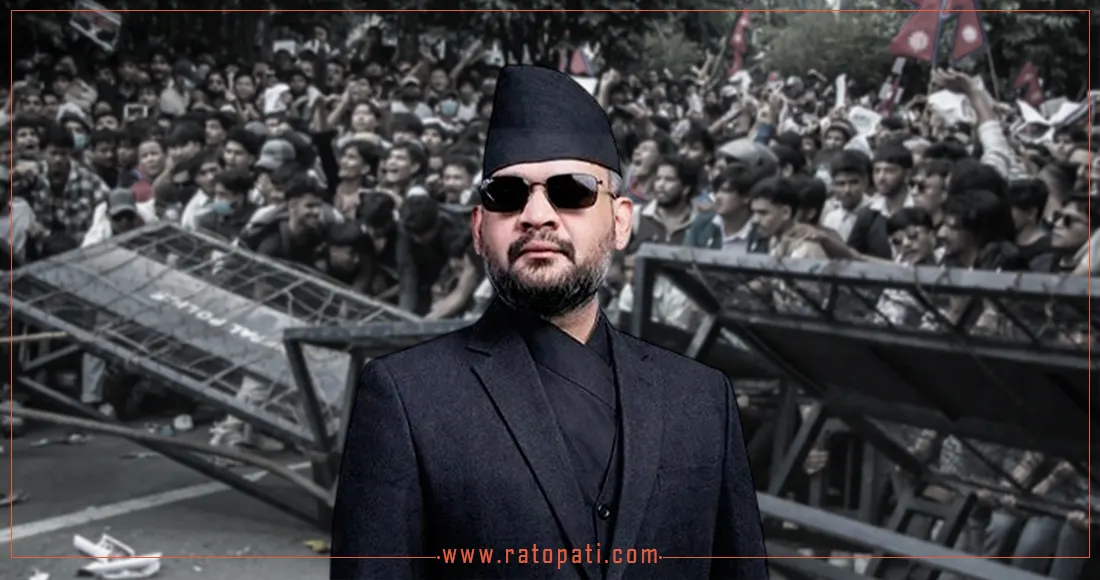
The anti-government movement on August 23 was called the 'Gen Z Movement' because students participated significantly on the first day. However, Nepali society had been experiencing widespread dissatisfaction for some time. There was clear public anger and disappointment towards the KP Oli-led government, primarily due to three reasons: the country's continuously declining economy, the state of unemployment, and the political parties and government leadership's unwillingness to understand public dissatisfaction and engage positively with the people.
Even after the new constitution was implemented, the prevailing politics failed to address the sentiment of many who felt 'politics is just like this.' Over the past 10-12 years, distinct differences had begun to emerge in Nepali society. With increased public access to the internet, people could see and experience numerous stories of progress both within the country and abroad, as well as in neighboring nations. This reinforced the feeling among the general public that 'while foreign nations are progressing, Nepal is continuously falling behind.' This restlessness was evident in everyone. That became the 'trigger point' for the Gen Z movement.
Read full story at source (english.ratopati.com)