
E-Passport Project Faces Tax Evasion Allegations Amidst Suspect Dealings
english.ratopati.com · Tue May 26 13:41:11 GMT 2026
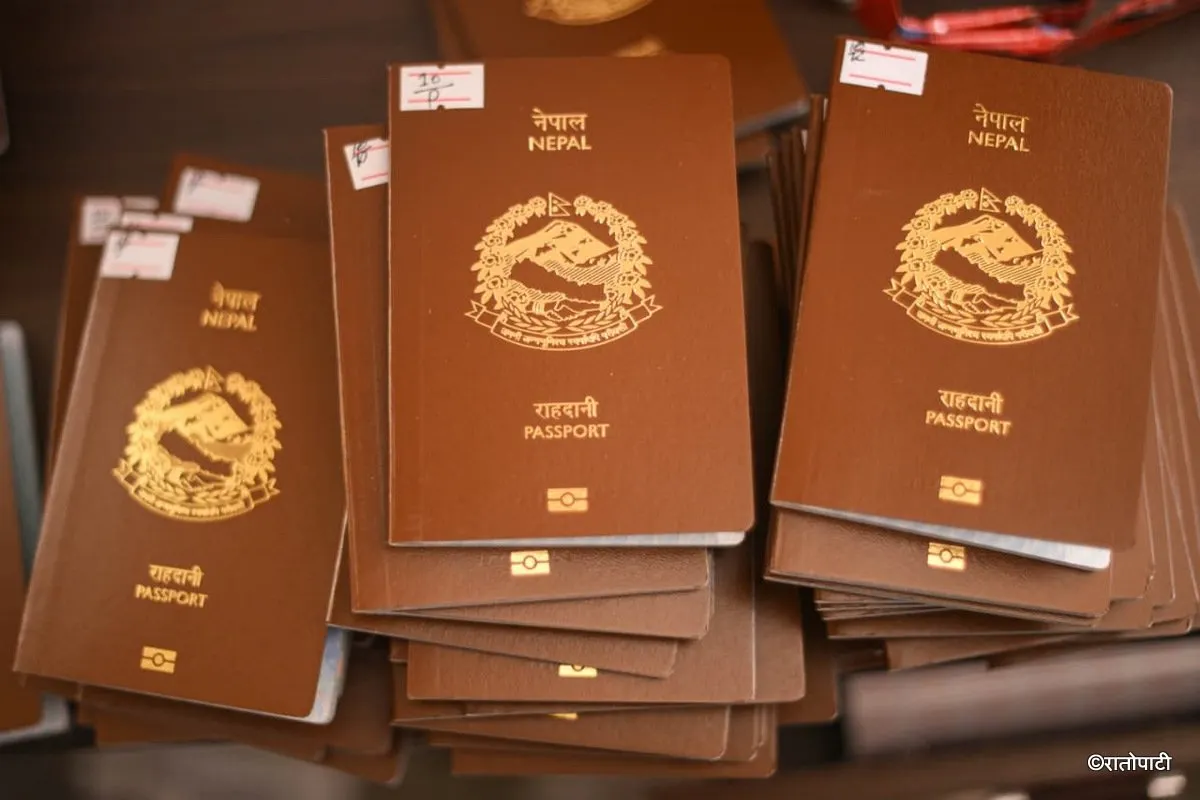
Kathmandu. Facts have emerged that there is a possibility of large-scale tax evasion in the electronic passport (e-passport) printing project, which is linked to Nepal's national identity, citizens' personal data, and extremely sensitive security. The suspicious triangular business relationship between the French company IDEMIA, which obtained the contract, Capital Biz Solution registered in Singapore, and Delta Core Private Limited operating in Nepal has raised suspicions of billions of rupees in losses to the state in this project. This case has also clarified how powerful the dominance of intermediaries is in Nepal's public procurement process. The Nature of Tax Evasion and Capital Flight Possibility According to international tender procedures and Nepal's Public Procurement Act, foreign companies working in Nepal must transparently disclose their local agents and the commission amounts paid to them. Such commissions must come through Nepal's banking system, and the Government of Nepal is entitled to collect taxes according to regulations. However, in this passport printing project, intermediaries have conducted transactions through offshore companies to evade the eyes of Nepal's tax administration and regulatory bodies. A large portion of the commission that should have come to Nepal is being paid abroad through a company registered in Singapore, instead of being brought to Nepal. This, on one hand, prevents foreign currency that should enter Nepal from entering, and on the other hand, results in the loss of significant revenue that the state should receive. Network of the Same Owner, Commission in Singapore A meticulous study of the obtained documents and details clearly shows how the same gang, by establishing companies on both sides, is plundering the state treasury. After the French company IDEMIA secured the contract for passport printing, it has been paying a substantial amount of commission to Capital Biz Solution, a company registered in Singapore. According to the data from the regulatory body (ACRA) where the Singapore-based company is registered, the owners of that company are 5 Nepali citizens. The most surprising and suspicious thing is that these same 5 Nepali citizens are also directors of Delta Core Private Limited in Nepal. The French company has made this Nepali company, Delta Core, a subcontractor for the maintenance and technical support of the passport project. The hidden agenda here is that the Nepali company Delta Core will show very low income and pay nominal taxes in Nepal, while the main portion of the commission will be received abroad through Capital Biz Solution in Singapore. Since Capital Biz Solution is not even registered as an official agent of IDEMIA in Nepal, this becomes a serious issue of hawala or money laundering. Information has also reached investigative bodies that the funds accumulated in Singapore are being transferred elsewhere through another suspicious entity in Hong Kong. Violation of Nepal's Laws This case involves a blatant violation of several legal provisions in Nepal. It has been found that provisions mentioned in laws such as the Foreign Exchange Act, Income Tax Act, and Public Procurement Act have been violated. According to the regulations of Nepal Rastra Bank and the Foreign Exchange (Regulation) Act, no Nepali citizen can open a company abroad, operate a bank account, or conduct foreign currency transactions without prior approval from the central bank. However, here, Nepali citizens themselves are operating a company in Singapore and receiving commissions. Furthermore, paying commissions for work done in Nepal abroad is a serious tax evasion offense according to Nepal's Income Tax Act. On the other hand, sources claim that the French company IDEMIA, which won the contract, did not submit a certificate of full tax clearance in Nepal at the time of bidding. Although the bid from a company without tax clearance should have been technically rejected at the outset, awarding the contract based on collusion raises suspicions of involvement from high-level political and administrative leadership. Control Over Other Controversial Contracts This intermediary group, which operates a commission network by establishing parallel companies in Singapore and Nepal, is not limited to the passport project. Sources claim that this group has a syndicate in most of the large, technical, and controversial contracts in Nepal. This group is also involved in the contract for embossed number plates for vehicles, which has been controversial for a long time and is worth billions. It is said that this group is also behind making the company named 'Self' a mysterious sole contender and awarding it the contract for smart driving licenses and their system management. The specifications were locked in a way that suited that specific company. This group is also working as a local agent in Nepal's major electricity transmission line projects associated with multinational companies like Tata and Siemens, not just in information technology. Experts in public procurement state that a single group controlling projects related to the state's highly sensitive data (passports, licenses, vehicles) and hiding its commissions abroad is not just ordinary corruption but a threat to national security. They demand that the Commission for Investigation of Abuse of Authority, the Department of Money Laundering Investigation, Nepal Rastra Bank, and the Public Accounts Committee of Parliament should immediately initiate a thorough investigation into this matter.
स्रोतमा पूरा पढ्नुहोस् (english.ratopati.com)