मुख्य सामग्रीमा जानुहोस्

समाचार

देश

बुटवलबासीको सफाइ जागरणः फोहोर उठाउन १ हजारभन्दा बढी एकसाथ छिरे जंगल

nepalpress.com · Sat Jun 06 05:17:22 GMT 2026
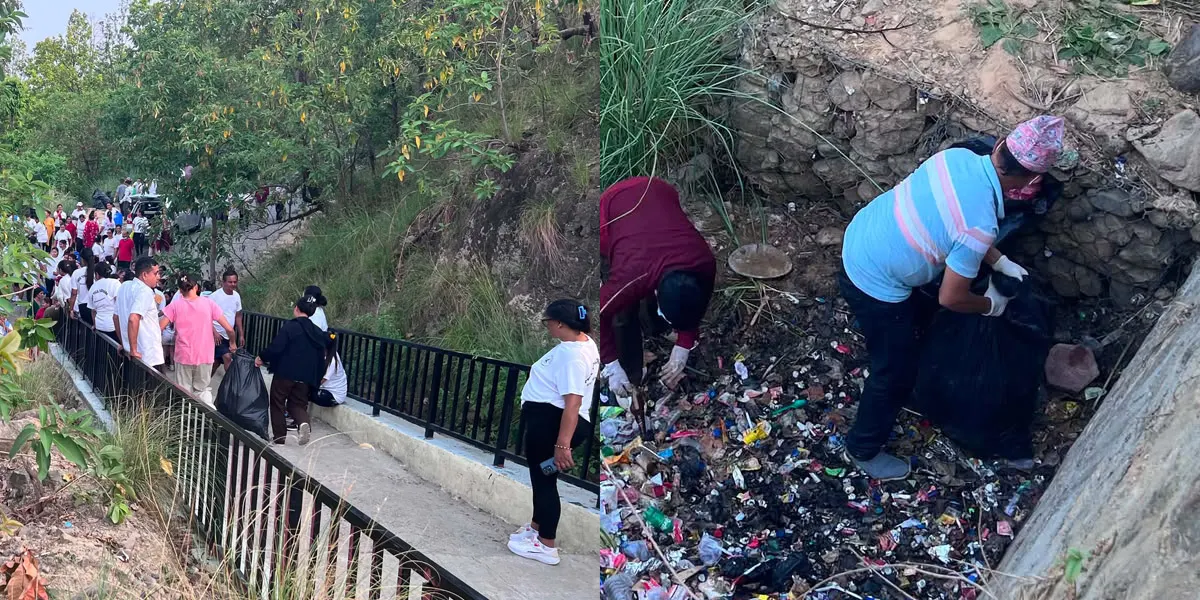
रुपन्देही । शनिबार बिहान बुटवल उपमहानगरपालिका–१३ को शान्तिचोक चोकदेखि माथिको पहाडी क्षेत्रमा सामान्य दिनभन्दा फरक दृश्य देखिन्थ्यो । अधिकांश मानिस घुम्न वा कामका लागि होइन, हातमा बोरा, डोको, ग्लोब्स र पानीका बोतल बोकेर जंगलतर्फ उकालो चढिरहेका थिए । केही विद्यालयका विद्यार्थी थिए । केही गृहिणी थिए । केही योगा समूहका सदस्य थिए । कोही सामाजिक अभियन्ता थिए भने कोही वन र वातावरणप्रेमी । उनीहरूको उद्देश्य एउटै थियो–वर्षौंदेखि फोहरले थिचिएको नुवाकोट क्षेत्रको जंगल सफा गर्ने ।

बुटवलको बढ्दो गर्मीबाट केही घण्टा राहत पाउन, हरियाली हेर्न, फोटो खिच्न, साथीभाइसँग रमाइलो गर्न र शहरको कोलाहलबाट टाढा पुग्न हजारौँ मानिस पुग्ने नुवाकोट क्षेत्र शनिबार भने एउटा फरक कारणले चर्चामा रह्यो । पर्यावरण समाजको आयोजनामा सञ्चालन गरिएको वृहत् जंगल सरसफाइ अभियानमा १ हजार २ सयभन्दा बढी नागरिक सहभागी भए । बुटवलको शान्तिचोकदेखि माथिल्लो क्षेत्रमा करिब तीन किलोमिटर दूरीसम्म फैलिएको जंगल क्षेत्रबाट ठूलो परिमाणमा फोहर संकलन गरियो ।

सरसफाइ अभियानमा सहभागी धेरैका लागि जंगलभित्रको वास्तविक अवस्था अप्रत्याशित थियो । हरियाली र स्वच्छ वातावरणको कल्पना गरेर पुगेका धेरैले जंगलको भुइँभरि छरिएका प्लास्टिक, चाउचाउका खोल, पानीका बोतल, मदिराका सिसा, कागज, डिस्पोजेबल सामग्री र अन्य फोहर देख्दा अचम्म माने । कतिपय स्थानमा त फोहरको मात्रा यति धेरै थियो कि झाडीभित्र छिर्नसमेत कठिन देखिन्थ्यो ।

अभियानमा सहभागीको भनाइमा सबैभन्दा ठूलो चुनौती प्लास्टिक वा कागज नभई फुटेका सिसाका बोतल थिए । जंगलका विभिन्न भागमा मदिराका बोतल फुटाएर छाडिएको अवस्था थियो । सिसाका साना–साना टुक्रा माटो, ढुंगा र झाडीभित्र मिसिएकाले संकलन गर्न निकै कठिन भयो । कतिपय स्वयंसेवकले सावधानीपूर्वक हातले टिपेर बोरामा जम्मा गरे । केहीले झाडु र बेल्चाको सहारा लिए । धेरैले यस्तो अवस्था देखेपछि प्रकृतिप्रति मानिसको गैरजिम्मेवारी व्यवहारप्रति चिन्ता व्यक्त गरे ।

यो क्षेत्र चुरे संरक्षण क्षेत्रअन्तर्गत पर्छ । चुरे केवल वन क्षेत्र मात्र होइन, तराई–मधेशको जलस्रोत, जैविक विविधता र पर्यावरणीय सन्तुलनसँग जोडिएको महत्वपूर्ण भूभाग हो । यही क्षेत्रमा यसरी जथाभावी फोहर थुप्रिनु वातावरणीय दृष्टिले गम्भीर विषय भएको सरोकारवाला बताउँछन् । प्लास्टिकजन्य फोहर वर्षौंसम्म नगल्ने भएकाले वन्यजन्तु, माटो र पानीका स्रोतमा प्रत्यक्ष असर पुग्ने गर्छ । फुटेका सिसाले वन क्षेत्रमा आगलागीको जोखिम बढाउने, मानिस तथा जनावर घाइते हुने सम्भावना रहने वातावरणविद्हरूको भनाइ छ ।

शनिबारीय अभियानको विशेषता भनेको यसमा देखिएको व्यापक नागरिक सहभागिता थियो । स्थानीय टोल विकास संस्था, आमा समूह, बाल क्लब, युवा समूह, योगा तथा जुम्बा समूह, सामाजिक संघसंस्था, विद्यार्थी, शिक्षक, व्यवसायी, सुरक्षाकर्मी र सर्वसाधारण गरी १ हजार २ सयभन्दा बढी नागरिक एउटै उद्देश्यका साथ जंगलमा पुगेका थिए । वातावरण संरक्षणका नाममा यति ठूलो संख्यामा नागरिक सहभागी भएको दृश्य बुटवलमा कमै देखिएको सहभागीहरू बताउँछन् ।

दैनिक घरायसी काममै सीमित रहने धेरै महिला शनिबार बिहान भने बोरा बोकेर जंगलको उकालो चढिरहेका देखिन्थे । कतिपयले आफ्नो समूहका साथ फोहर संकलन गरे भने कतिपयले परिवारका सदस्यसँग मिलेर अभियानमा योगदान दिए । विद्यालय उमेरका बालबालिका पनि उत्साहपूर्वक फोहर टिपिरहेका थिए । उनीहरूका लागि यो केवल सरसफाई कार्यक्रम मात्र नभई वातावरण संरक्षणको व्यवहारिक पाठ पनि बनेको थियो ।

बुटवल–१९ की बाल क्लब अध्यक्ष कृष्टिना आचार्यले सामाजिक सञ्जालमार्फत अभियानबारे जानकारी पाएपछि साथीहरूलाई लिएर कार्यक्रममा सहभागी भएको बताइन् । उनले जंगलभित्र यति धेरै फोहर देख्दा दुःख लागेको प्रतिक्रिया दिइन् । ‘हामीले घुम्न जाने ठाउँहरू आफैँले फोहोर बनाएका रहेछौँ । आज आएर त्यो महसुस भयो । अब हामीले फोहर नफाल्ने र अरूलाई पनि सचेत गराउने प्रयास गर्छौं,’ उनले भनिन् ।

पर्यावरण समाजका अध्यक्ष गंगा पोखरेलले वातावरण संरक्षण कुनै एक संस्था वा सरकारी निकायको जिम्मेवारी मात्र नभएको बताए । उनका अनुसार समाजले सामाजिक सञ्जालमार्फत अभियानमा सहभागी हुन सार्वजनिक आह्वान गरेको थियो । अपेक्षाभन्दा धेरै नागरिकको साथ पाएपछि अभियानले ठूलो स्वरूप लिएको उनले बताए । ‘हामीले जंगल सफा गर्न मात्र खोजेका होइनौं, वातावरणप्रति नागरिक जिम्मेवारीको सन्देश दिन खोजेका हौं,’ पोखरेलले भने, ‘यति धेरै मानिस स्वतःस्फूर्त रूपमा सहभागी हुनु सकारात्मक संकेत हो ।’

अभियानमा नेपाल प्रहरी तथा बुटवल उपमहानगरपालिकाका विभिन्न क्षेत्रमा काम गर्ने कर्मचारीको समेत सक्रिय सहभागिता थियो । बुटवल उपमहानगरपालिकाका सरसफाइ शाखा प्रमुख देवका पोखरेलले नागरिक र संस्थाहरूको सहकार्यबाट वातावरण संरक्षणका प्रभावकारी अभियान सञ्चालन गर्न सकिने उदाहरण नुवाकोट अभियानले प्रस्तुत गरेको बताइन् ।

भैरव योगा जुम्बा टिमका राजकुमार थापाले जंगल सफा गर्नु राम्रो सुरुवात भए पनि अब फोहर हुनै नदिने प्रणाली विकास गर्नुपर्ने बताए । उनका अनुसार स्थानीय सरकारले सामाजिक संघसंस्था, टोल विकास संस्था र स्थानीय बासिन्दासँग सहकार्य गरेर नियमित निगरानी प्रणाली विकास गर्नुपर्छ । ‘आज हामीले फोहर उठायौं । भोलि फेरि त्यहीँ फोहर थुप्रियो भने यसको अर्थ रहँदैन,’ उनले भने, ‘निगरानी टोली बनाउने, फोहर व्यवस्थापन केन्द्र राख्ने र जनचेतना बढाउने काम अब सँगसँगै जानुपर्छ ।’ अभियानमा समन्वयको भूमिका निर्वाह गरेका अर्जुन ज्ञवाली र कृष्ण गाउँलेले यो अभियान कुनै व्यक्ति वा संस्थाको नभई सम्पूर्ण सहभागीहरूको साझा अभियान बनेको बताए ।

उनीहरूका अनुसार नागरिक आफैंले जिम्मेवारी महसुस गरेपछि मात्र वातावरण संरक्षण सम्भव हुन्छ । सरसफाईमा सहभागी विष्णुमाया श्रेष्ठले सार्वजनिक वन क्षेत्रको संरक्षण सबैको साझा दायित्व भएको बताउँदै जथाभावी फोहर गर्नेहरूलाई कारबाहीको दायरामा ल्याउनुपर्ने बताइन् । स्थानीय ज्ञानहरी बन्जाडेले डाँडामा पुग्ने केही समूहबाट मदिराजन्य पदार्थको अत्यधिक प्रयोग र बोतल फुटाएर फाल्ने प्रवृत्तिले समस्या बढाएको बताए ।

पाणिनी पार्कका अध्यक्ष ऋषि आजादले नुवाकोट क्षेत्र बुटवलको महत्वपूर्ण प्राकृतिक सम्पदा भएको उल्लेख गर्दै यसको संरक्षणमा समुदायको भूमिका निर्णायक हुने बताए । उनका अनुसार यो क्षेत्रबाट बुटवल उपत्यकाको आकर्षक दृश्यावलोकन गर्न सकिने भएकाले पर्यटकीय सम्भावना पनि उत्तिकै छ । तर फोहरको बढ्दो समस्या समाधान गर्न नसकिए त्यो सम्भावना संकटमा पर्न सक्छ । ‘एक दिनको अभियानले जंगलको ठूलो क्षेत्र सफा गर्‍यो । सयौं बोरा फोहर संकलन भयो । तर अभियानले उठाएको प्रश्न अझ ठूलो छ । जंगलमा भेटिएको फोहर बाहिरबाट आएको होइन । त्यहीँ घुम्न पुगेका मानिसहरूले छाडेका हुन् । प्रकृतिको आनन्द लिन जाने मानिसहरू नै प्रकृतिका लागि खतरा बन्नु विडम्बना हो,’ उनले भने ।

‘नुवाकोटको जंगलमा शनिबार देखिएको १ हजार २ सय नागरिकको सहभागिताले एउटा आशा भने जगाएको छ । वातावरण बिगार्ने मानिसहरूको संख्या जति भए पनि त्यसलाई जोगाउन तयार नागरिकहरूको संख्या अझ ठूलो छ भन्ने सन्देश अभियानले दिएको छ । अब आवश्यकता त्यो उत्साहलाई एकदिने कार्यक्रममै सीमित नराखी निरन्तर अभियानमा रूपान्तरण गर्नु हो,’ अभियानकर्ताको भनाइ छ ।

‘जंगल सफा भयो । सयौं बोरा फोहर हटाइयो । तर वास्तविक सफलता त्यतिबेला हुनेछ, जब नुवाकोट पुग्ने मानिसहरूले आफ्नो हातबाट निस्किएको एउटा प्लास्टिकको टुक्रा वा एउटा सिसाको बोतल पनि जंगलमा छाड्न लाज मान्नेछन् । त्यस दिन मात्र नुवाकोटको जंगल साँच्चिकै सफा भएको मानिनेछ,’ अभियान्ता ऋषि आजादले भने ।

बुटवल १३ बेलवास शान्तिचोकबाट ८ किलोमिटर उकालो हिंडेपछि नुवाकोट पुगिन्छ । जंगलैजंगल हुँदै त्यहाँ जाने सबै बाटो पक्की छ । करिब ७ डिग्री तापक्रम कम हुने भएकाले तलको गर्मी छल्न ठूलो संख्यामा माथि जाने र बस्ने गर्दछन् । सबै जंगल क्षेत्र भएकाले धेरैजसो त्यसै बसेर खाजा खाने रमाइलो गरेर गर्मी छल्ने गर्दछन् । त्यसरी बस्नेहरुले बढी फोहर बनाएको र त्यसलाई व्यवस्थि गर्न नसकेको अभियान्ता डिआर घिमिरे बताउँछन् ।

उनका अनुसार त्यहाँ जाने हरेकलाई वातावरण र सरसफाइका विषयमा सचेत बनाउनुपर्ने, ठाउँठाउँमा फोहर संकलन केन्द्र बनाइनुपर्ने र निगरानी बढाउन नसके यसलाई रोक्न संभव छैन । यसका लागि स्थानीय सरकार तथा स्थानीय संघसंस्थाले समन्वय गर्नुपर्ने उनको भनाइ छ ।

Rupandehi. On Saturday morning, the hilly area above Shantichowk Chowk in Butwal Sub-metropolitan City-13 was a different scene from a normal day. Most people were not out for sightseeing or work, but were climbing uphill towards the forest carrying sacks, buckets, globes, and water bottles. Some were school students. Some were housewives. Some were members of a yoga group. Some were social activists, while others were forest and environmental lovers. Their goal was the same - to clean the forest in the Nuwakot area, which has been littered with garbage for years.

The Nuwakot area, where thousands of people flock to get a few hours of relief from the rising heat of Butwal, see the greenery, take photos, have fun with friends, and get away from the hustle and bustle of the city, was in the news for a different reason on Saturday. More than 1,200 citizens participated in a massive forest cleaning campaign organized by the Environmental Society. A large amount of garbage was collected from the forest area stretching for about three kilometers from Shantichowk in Butwal to the upper area.

For many participants in the clean-up campaign, the actual conditions inside the forest were unexpected. Many who had arrived expecting a green and clean environment were surprised to see plastic, noodle shells, water bottles, liquor bottles, paper, disposable items, and other garbage strewn across the forest floor. In some places, the amount of garbage was so high that it was difficult to even enter the bushes.

According to the participants in the campaign, the biggest challenge was not plastic or paper, but broken glass bottles. There were broken liquor bottles scattered in various parts of the forest. Small pieces of glass mixed with soil, rocks, and bushes made it very difficult to collect. Some volunteers carefully picked them up by hand and collected them in sacks. Some resorted to brooms and shovels. Many expressed concern about human irresponsible behavior towards nature after seeing such a situation.

This area falls under the Chure Conservation Area. Chure is not just a forest area, but an important area linked to the water resources, biodiversity and ecological balance of the Terai-Madhesh. Stakeholders say that such indiscriminate dumping of waste in this area is a serious environmental issue. Since plastic waste does not decompose for years, it directly affects wildlife, soil and water resources. Environmentalists say that broken glass increases the risk of fire in the forest area and there is a possibility of injury to people and animals.

The highlight of Saturday's campaign was the extensive citizen participation seen in it. More than 1,200 citizens, including local community development organizations, mothers' groups, children's clubs, youth groups, yoga and Zumba groups, social organizations, students, teachers, businessmen, security personnel, and the general public, had reached the forest with a single objective. Participants say that such a large number of citizens have rarely been seen in Butwal in the name of environmental protection.

Many women, who were confined to daily household chores, were seen carrying sacks and climbing uphill through the forest on Saturday morning. Some collected garbage with their groups, while others contributed to the campaign with family members. School-age children were also enthusiastically picking up garbage. For them, this was not just a cleanliness program but also a practical lesson in environmental protection.

Butwal-19 Children's Club President Kristina Acharya said that she participated in the program with her friends after learning about the campaign through social media. She expressed her sadness at seeing so much garbage in the forest. "We used to make the places we visit dirty ourselves. Today, I realized that. Now we will try not to litter and make others aware," she said.

Ganga Pokharel, president of the Environmental Society, said that environmental protection is not the sole responsibility of any one organization or government agency. According to him, the society had issued a public call to participate in the campaign through social media. He said that the campaign took on a larger form after receiving more support from citizens than expected. 'We are not just trying to clean the forest, we are trying to give a message of civic responsibility towards the environment,' Pokharel said, 'The fact that so many people spontaneously participated is a positive sign.'

The campaign also saw active participation from Nepal Police and employees working in various sectors of Butwal Sub-metropolitan City. Devka Pokharel, Chief of the Sanitation Branch of Butwal Sub-metropolitan City, said that the Nuwakot campaign has set an example of how effective environmental protection campaigns can be conducted through the collaboration of citizens and organizations.

Rajkumar Thapa of the Bhairav Yoga Zumba team said that while cleaning the forest is a good start, a system should be developed to prevent littering. According to him, the local government should develop a regular monitoring system in collaboration with social organizations, tol development organizations and local residents. 'Today we picked up the garbage. If the garbage is piled up again tomorrow, it will not matter,' he said. 'Forming a monitoring team, setting up a garbage management center and raising public awareness should now go hand in hand.' Arjun Gyawali and Krishna Gaunle, who played a coordinating role in the campaign, said that this campaign is not a campaign of any individual or organization, but a common campaign of all the participants.

According to them, environmental protection is possible only when citizens themselves feel responsible. Bishnumaya Shrestha, a participant in the cleanup, said that the protection of public forest areas is a common responsibility of everyone and that those who litter should be brought to justice. Local Gyanhari Banjade said that the excessive use of alcohol by some groups reaching the hills and the tendency to break and throw bottles have increased the problem.

Panini Park Chairman Rishi Azad said that the Nuwakot area is an important natural heritage of Butwal and the role of the community will be decisive in its conservation. According to him, since the attractive view of the Butwal Valley can be seen from this area, there is also a lot of tourism potential. However, if the growing problem of garbage cannot be solved, that potential may be in danger. 'A one-day campaign cleaned a large area of the forest. Hundreds of bags of garbage were collected. But the question raised by the campaign is even bigger. The garbage found in the forest did not come from outside. It was left by people who went there to visit. It is ironic that people who go to enjoy nature are becoming a threat to nature,' he said.

"The participation of 1,200 citizens in the forest of Nuwakot on Saturday has raised some hope. The campaign has sent a message that no matter how many people are destroying the environment, the number of citizens ready to protect it is even greater. Now the need is to transform that enthusiasm into a continuous campaign, not just a one-day event," says the campaigner.

"The forest has been cleaned. Hundreds of bags of garbage have been removed. But the real success will be when people who reach Nuwakot feel ashamed to leave even a single piece of plastic or a single glass bottle in the forest. Only on that day will the forest of Nuwakot be considered truly clean," said campaigner Rishi Azad.

Nuwakot is reached after walking 8 kilometers uphill from Belwas Shantichowk, Butwal 13. All the roads leading there are paved through jungle. Since the temperature is about 7 degrees lower, a large number of people go up and stay to beat the heat below. Since it is all a forest area, most people stay there and enjoy the heat by eating lunch. Campaigner DR Ghimire says that those who live like this have created more garbage and have not been able to manage it.

According to him, everyone who goes there should be made aware of the environment and cleanliness issues, garbage collection centers should be set up in various places, and it is not possible to stop it unless monitoring is increased. He said that the local government and local organizations should coordinate for this.

स्रोतमा पूरा पढ्नुहोस् (nepalpress.com)

सम्बन्धित विषय