
बजेटले पनि फर्काएन शेयर बजारकाे आत्मविश्वास, आज २६.७२ अंकले गिरावट
nepalpress.com · Mon Jun 01 09:41:05 GMT 2026
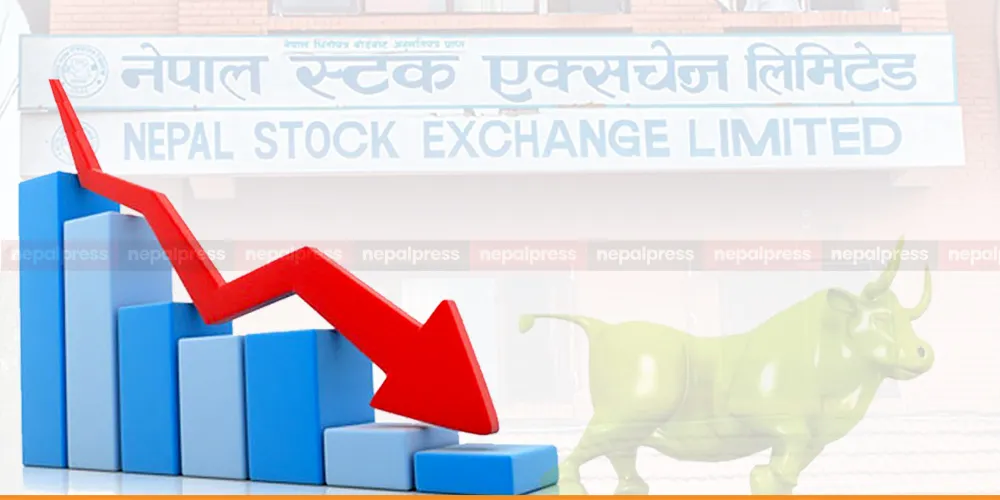
काठमाडौँ । सरकारले आगामी आर्थिक वर्षको बजेटमार्फत पुँजी बजारलाई प्राथमिकता दिएको सन्देश दिन खोजे पनि त्यसको सकारात्मक प्रभाव नेपाल स्टक एक्सचेन्ज (नेप्से) मा देखिएन ।
आगामी आर्थिक वर्ष २०८३–८४ को बजेट सार्वजनिक भएपछि खुलेको बजारमा अपेक्षित उत्साह नआउँदा लगानीकर्ताको मनोबल कमजोर बनेको देखिएको हो ।
कारोबारको पहिलो दिन (सोमबार) कारोबारको क्रममा नेप्से परिसूचक २६.७२ अंकले घटेर दुई हजार ७ सय ५५ दशमलव ३७ विन्दुमा झरेको छ । बजार खुलेदेखि नै दबाबमा रहेको सूचक दिनभर उकालो लाग्ने प्रयास गरे पनि अन्त्यतिर थप कमजोर बनेको हो ।
बजारमा ३५ कम्पनीको शेयर मूल्य बढ्दा २३३ कम्पनीको मूल्य घटेको छ भने एक कम्पनीको मूल्य स्थिर रहेको छ । नेप्सेमा कारोबार रकम पनि खुम्चिन पुगेको छ । सोमबार ५ अर्ब ६१ करोड ४३ लाख ७४ हजार रुपैयाँ बराबरको मात्रै कारोबार भएको छ ।
लगानीकर्ताहरूले बजेटपछि कर नीतिमा थप सहुलियत, संस्थागत लगानीको विस्तार, नयाँ वित्तीय उपकरणको व्यवस्था तथा पुँजी बजारमैत्री सुधारको अपेक्षा गरेका थिए । तर बजेटले ती अपेक्षालाई पूर्ण रूपमा सम्बोधन गर्न नसकेको बजारमा देखिएको छ । जसले गर्दा बजारमा लगानीकर्ता आकर्षित हुन सकेको छैन ।
शेयर विश्लेषकका अनुसार बजेटमा उल्लेख गरिएका विषयको प्रभाव तत्कालभन्दा दीर्घकालीन हुन सक्छ । तर छोटो अवधिमा लगानीकर्ताले खोजेको स्पष्ट र प्रत्यक्ष प्रोत्साहन नपाउँदा बजारमा पर्ख र हेरको अवस्थामा रहेको छ ।
बजारले तत्कालै गति लिने अवस्था नदेखिएको शेयर विश्लेषक छोटेलाल रौनियार बताउँछन् । उनी भन्छन्, ‘नेपालको शेयर बजार अझै पर्ख र हेरको अवस्थामा छ । बजारले गति लिन अझै समय लाग्छ ।’
आगामी आर्थिक वर्षको बजेटले शेयर बजारबारे सम्बोधन गरेको विषयले दीर्घकालमा सकारात्मक प्रभाव देखाउने उनको भनाई छ ।
बजेटमा शेयर बजारसँग सम्बन्धी के के समेटिए ?
आगामी आर्थिक वर्ष २०८३/८४ को बजेटमा शेयर बजारमा सूचीकृत कम्पनीको शेयर बिक्रीमा लाग्दै आएको पुँजीगत लाभकर नै अन्तिम हुने व्यवस्था गरिएको छ ।
लगानीकर्ताहरूले लामो समयदेखि माग राख्दै आएको विषयलाई बजेटले सम्बोधन गर्दै सूचीकृत कम्पनीहरूको धितोपत्र बिक्री गर्दा लाग्दै आएको पुँजीगत लाभकरलाई नै अन्तिम हुने व्यवस्था मिलाएको हो ।
बजेटअघि लगानीकर्ताको समूहले अर्थमन्त्री स्वर्णिम वाग्लेलाई भेटेर शेयर बजारमा लाग्दै आएको पुँजीगत लाभकरलाई अन्तिम हुने व्यवस्था गरिदिन आग्रह गरेका थिए । बजेटपछिको अर्थमन्त्रीले पनि यस्तो व्यवस्था गरिदिन लाइन लागेर लगानीकर्ता आएको सुनाएका थिए ।
बजेटपछि आयोजना गरिएको एक कार्यक्रममा अर्थमन्त्रीले भनेका थिए– हामी ५ प्रतिशत बिन्दु अतिरिक्त तिर्न तयार छौँ भनेर लाइन लगाएर मकहाँ डेलिगेसन आउने साथीहरू यही सिंहदरबार बाहिर हुनुहुन्थ्यो ।
फाइनल चाहिँ गर्दिनुस्, यो तरबार सधैँ हाम्रो माथि झुन्डिनरहोस् भन्ने उहाँहरूको माग थियो । सरकारले निकै उदार ढंगले करको व्यवस्था गरेका हो । छोटो अवधिका लगानीकर्ताका लागि ५ प्रतिशत र दीर्घकालीन लगानीकर्ताका लागि ७.५ प्रतिशत रहेको दरलाई क्रमशः ७.५ र १० प्रतिशत बनाइएको छ । यो नै अन्तिम कर हो ।
यस्तै, सरकारले धितोपत्र बजार व्यवस्थापनका लागि छुट्टै विधेयक तयार पार्ने जनाएको छ । बजेटमा भनिएको छ-धितोपत्र बजार व्यवस्थापन र कसुर तथा सजाय सम्बन्धी छुट्टै विधेयक संसदमा पेश गर्नेछौँ । वित्तीय ट्रष्टिको नियमन गर्न ट्रष्टि विधेयक तर्जुमा गर्नेर्छौँ ।
त्यस्तै, बजेटले गैर-आवासीय नेपालीलाई दोस्रो बजारमा प्रवेश प्रवासमा रहेका नेपालीहरूको पुँजी आकर्षित गर्न गैर–आवासीय नेपालीहरूलाई धितोपत्रको दोस्रो बजारमा सहभागी गराइने भएको छ ।
यसका लागि विदेशी लगानी स्वीकृति, लगानीको लेखाङ्कन, नाफा फिर्ता र पुँजीगत लाभकर सम्बन्धी कानूनी व्यवस्थामा आवश्यक परिमार्जन गरिने भनिएको छ ।
बजेटमा नेप्सेको पुनः संरचनादेखि अत्याधुनिक वित्तीय उपकरणहरूको चरणबद्ध रूपमा सुरुवात गरिनेछ उल्लेख छ । बजारका विकृति विरुद्ध शून्य सहनशीलता शेयर बजारमा हुने अवाञ्छित गतिविधिहरू शेयर कर्नरिङ र इन्साइडर ट्रेडिङविरुद्ध सरकारले शून्य सहनशीलताको नीति लिने घोषणा गरेको छ ।
सार्वजनिक संस्थान र नेपाल टेलिकमको शेयर विनिवेश बजारमा गुणस्तरीय शेयरको आपूर्ति बढाउन सरकारी स्वामित्वका संस्थाहरूको सेयर सर्वसाधारणलाई बिक्री गरिने रणनीति लिइएको छ ।
संघीय सरकारको ६६ प्रतिशत शेयर कायम राखी बाँकी शेयर आगामी पुस मसान्तभित्र जनस्तरमा बिक्री गरिनेछ । अन्य संस्थानहरू राष्ट्रिय जीवन बीमा कम्पनी र विशाल बजार कम्पनीको शेयर सर्वसाधारणमा निष्काशन गरिने बजेटमा उल्लेख छ ।
Kathmandu. Although the government tried to send a message that it has prioritized the capital market through the budget for the upcoming fiscal year, its positive impact was not seen on the Nepal Stock Exchange (NEPSE).
Investor morale has weakened as the expected enthusiasm in the open market has not been met after the budget for the upcoming fiscal year 2083-84 was made public.
The Nepse index fell by 26.72 points to 2,755.37 points on the first day of trading (Monday). The index, which has been under pressure since the market opened, weakened further towards the end despite trying to rise throughout the day.
While the share prices of 35 companies increased in the market, the prices of 233 companies decreased and the price of one company remained stable. The trading volume on the Nepal Stock Exchange (NEPSE) has also shrunk. On Monday, only Rs 5.61 billion 4.374 billion was traded.
Investors had expected more concessions in tax policy, expansion of institutional investment, provision of new financial instruments, and capital market-friendly reforms after the budget. However, the market has seen that the budget has not fully addressed those expectations. Due to which the market has not been able to attract investors.
According to stock analysts, the impact of the issues mentioned in the budget may be long-term rather than immediate. But in the short term, the market is in a wait-and-see mode due to the lack of clear and direct incentives sought by investors.
Stock analyst Chhotelal Rauniyar says the market is not in a position to pick up momentum right away. He says, "Nepal's stock market is still in a wait-and-see mode. It will take time for the market to pick up momentum."
He said that the issues addressed in the budget for the upcoming fiscal year regarding the stock market will have a positive impact in the long run.
What was included in the budget related to the stock market?
In the budget for the upcoming fiscal year 2083/84, it has been made provision that the capital gains tax levied on the sale of shares of companies listed on the stock market will be final.
The budget addresses a long-standing demand from investors by making provision for the finalization of the capital gains tax levied on the sale of securities of listed companies.
Before the budget, a group of investors had met Finance Minister Swarnim Wagle and urged him to make arrangements to end the capital gains tax levied on the stock market. After the budget, the Finance Minister also said that investors had lined up to make such arrangements.
At a program organized after the budget, the Finance Minister had said, "We are ready to pay 5 percentage points extra." The friends who came to me in delegations were standing in line outside Singha Durbar.
They demanded that the final tax be imposed on us forever. The government has made tax arrangements in a very generous manner. The rates for short-term investors, which were 5 percent and for long-term investors, have been increased to 7.5 and 10 percent respectively. This is the final tax.
Similarly, the government has stated that it will prepare a separate bill for securities market management. The budget states that we will present a separate bill in Parliament regarding securities market management and crimes and punishments. We will formulate a Trustee Bill to regulate financial trustees.
Similarly, the budget will allow non-resident Nepalis to enter the secondary market. To attract capital from Nepalis living abroad, non-resident Nepalis will be allowed to participate in the secondary market of securities.
For this, it has been said that necessary amendments will be made to the legal provisions related to foreign investment approval, investment accounting, profit repatriation, and capital gains tax.
The budget states that the restructuring of NEPSE and the introduction of state-of-the-art financial instruments will be launched in a phased manner. Zero tolerance against market distortions The government has announced a zero-tolerance policy against undesirable activities in the stock market, such as share cornering and insider trading.
A strategy has been adopted to sell shares of government-owned institutions to the general public to increase the supply of quality shares in the disinvestment market of public corporations and Nepal Telecom.
The federal government will retain 66 percent of its shares and the remaining shares will be sold to the public by mid-December. The budget states that shares of other corporations, including the National Life Insurance Company and the Big Bazaar Company, will be issued to the public.
स्रोतमा पूरा पढ्नुहोस् (nepalpress.com)
 स्वर्णिम वाग्ले