बजेटले दशकौँदेखिका समस्या एकै पटक समाधान गर्छ भन्नु गलत अपेक्षा हो : अर्थमन्त्री डा. स्वर्णिम वाग्ले
nepalpress.com · Mon Jun 08 09:54:56 GMT 2026
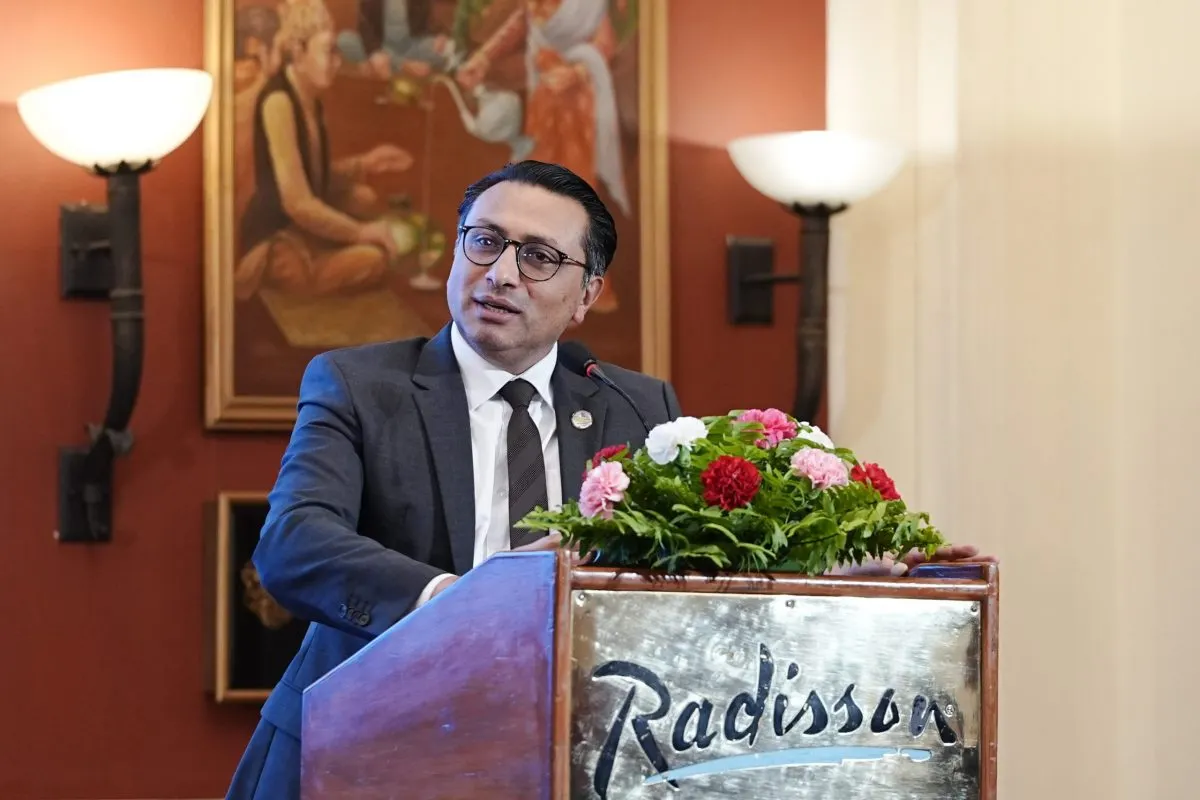
काठमाडौं । नेपाल उद्योग वाणिज्य महासंघद्वारा आयोजित आर्थिक वर्ष २०८३/८४ को बजेट सन्दर्भमा नीति संवाद कार्यक्रममा अर्थमन्त्री डा. स्वर्णिम वाग्लेले बजेटले दशकौँदेखिका समस्या एकै पटक समाधान गर्छ भन्नु गलत अपेक्षा रहेको बताए ।
उनले दशकौँदेखि जकडिएर रहेका आर्थिक समस्याहरू एउटै बजेटले जादुमयी ढंगले समाधान गर्छ भन्ने खालको आम अपेक्षा नै व्यावहारिक नभएको बताए ।
नीति निर्माता र सर्वसाधारण सबैमा यस्तो अपेक्षा हुनु स्वाभाविक भए पनि वर्तमान यथार्थको धरातलमा उभिएर हेर्दा त्यो सोच गलत साबित हुने उनको भनाइ थियो ।
राज्यले सेना, प्रहरी र स्वास्थ्य जस्ता संवेगात्मक एवं आधारभूत क्षेत्रहरूमा अनिवार्य रूपमा लगानी र काम गर्नैपर्ने बाध्यता रहेकाले बजेटको ठूलो हिस्सा यस्ता संवेदनशील क्षेत्रमा केन्द्रित हुनुपर्ने बाध्यता रहेको बताए ।
बजेट निर्माण र कर नीतिका सम्बन्धमा बोल्दै अर्थमन्त्री डा. वाग्लेले आफूले बजेट प्रस्तुत गर्दाकै बखत करका दरहरूमा ऐतिहासिक रूपमा हेरफेर गरिएको बताए । उनले भने, ‘सरकारले जनता र व्यवसायीमाझ समग्र करको बोझ घटाउने प्रतिबद्धता व्यक्त गरेको थियो । सोही योजना र वाचा अनुरूप नै कामको थालनी भइसकेको छ ।
अर्थतन्त्रको जगलाई बलियो बनाउन चालिएका कतिपय सुधारात्मक कदमहरूलाई भने आगामी वर्षहरूमा क्रमशः कार्यान्वयन गर्दै लैजाने गरी हाललाई थाती राखिएको छ । हाल बजार सुस्त रहेको र आर्थिक गतिविधि अपेक्षित रूपमा चलायमान हुन नसकेको यथार्थलाई स्वीकार गर्दै सरकारले आम सर्वसाधारण र मध्यम वर्गलाई राहत दिन आयकरको सीमामा उल्लेख्य वृद्धि गरी १० लाख रुपैयाँ पुर्याएको छ ।’
अर्थमन्त्री डा. वाग्लेले सरकारको मुख्य प्राथमिकता करको बोझ थप्ने नभई करको दायरालाई फराकिलो बनाउनेतर्फ केन्द्रित रहने बताए ।
राजस्व संकलनको लक्ष्यका प्रस्ट पार्दै उनले आगामी आर्थिक वर्षका लागि १४ खर्ब रुपैयाँ राजस्व उठाउने प्रारम्भिक लक्ष्य राखिएको भए तापनि सरकारको वास्तविक तादम्यता र क्षमता त्योभन्दा माथि रहेको उल्लेख गरे ।
सरकारले आन्तरिक स्रोत परिचालनलाई तीव्र बनाउँदै १५ खर्ब रुपैयाँभन्दा बढी राजस्व संकलन गर्ने उच्च लक्ष्य बोकेको छ ।
यसरी केन्द्र सरकारले संकलन गरेको करको ठूलो हिस्सा संघीयताको मर्म अनुरूप तल्लो तह अर्थात् प्रदेश र स्थानीय सरकारहरूमा पठाउनुपर्ने संवैधानिक र व्यावहारिक जिम्मेवारी रहेको बताए ।
मुलुकको कुल गार्हस्थ्य उत्पादन अर्थात् जिडीपीको अनुपातलाई हेर्ने हो भने वर्तमान बजेटको आकार वास्तवमै सानो रहेको अर्थमन्त्री बताए ।
नेपालको आर्थिक आवश्यकता, वैदेशिक ऋण, अनुदान र उपलब्ध करको मौजुदा आधारलाई विश्लेषण गर्दा यो बजेट अत्यन्तै संकुचित र सानो देखिएको उनको तर्क छ ।
सीमित स्रोत र साधनका बाबजुद पनि उपलब्ध बजेटलाई अधिकतम उत्पादनशील क्षेत्रमा सदुपयोग गर्दै देशको आर्थिक शिथिलता चिर्न सरकार प्रतिबद्ध रहेको उनको भनाइ थियो ।
Kathmandu. At a policy dialogue program regarding the budget for the fiscal year 2083/84 organized by the Federation of Nepalese Chambers of Commerce and Industry, Finance Minister Dr. Swarnim Wagle said that it is a wrong expectation to say that the budget will solve decades-old problems all at once.
He said that the common expectation that a single budget will magically solve economic problems that have been lingering for decades is not realistic.
He said that while it is natural for policymakers and the general public to have such expectations, that thinking would be proven wrong when viewed in the light of current reality.
He said that since the state is obliged to invest and work in sensitive and basic sectors such as the army, police, and health, a large portion of the budget should be focused on such sensitive sectors.
Speaking on budget formulation and tax policy, Finance Minister Dr. Wagle said that tax rates were changed historically while he was presenting the budget. He said, 'The government had expressed a commitment to reduce the overall tax burden among the people and businessmen. Work has already begun in line with that plan and promise.
Some of the reform measures taken to strengthen the foundation of the economy have been put on hold for now, with implementation to be gradual in the coming years. Recognizing the current sluggish market and the fact that economic activity is not moving as expected, the government has significantly increased the income tax limit to Rs 1 million to provide relief to the general public and the middle class.
Finance Minister Dr. Wagle said that the government's main priority will be to broaden the tax base rather than increase the tax burden.
Clarifying the revenue collection target, he mentioned that although the initial target of collecting Rs. 1.4 trillion in revenue for the upcoming fiscal year has been set, the government's actual capacity and capability is higher than that.
The government has set a lofty goal of collecting more than Rs. 1.5 trillion in revenue by accelerating domestic resource mobilization.
He said that the central government has a constitutional and practical responsibility to send a large portion of the taxes collected to the lower levels, i.e., provincial and local governments, in line with the spirit of federalism.
The Finance Minister said that the size of the current budget is actually small when compared to the country's gross domestic product (GDP).
He argues that this budget appears extremely narrow and small when analyzing Nepal's economic needs, foreign loans, grants, and the existing tax base available.
He said that despite limited resources and means, the government is committed to overcoming the country's economic stagnation by utilizing the available budget in the most productive sectors.
स्रोतमा पूरा पढ्नुहोस् (nepalpress.com)