
अर्थमन्त्रीको ‘मिसन मोड’ : यस्ता छन् बजेटमा निजी क्षेत्रका सुझाव
nepalpress.com · Wed May 20 08:53:09 GMT 2026
काठमाडौं । सरकारले आगामी आर्थिक वर्षको बजेटको तयारी गरिरहेको बेला निजी क्षेत्रले अर्थतन्त्रको संरचनागत सुधार गर्ने गरी रूपान्तरणकारी बजेट ल्याउन सरकारलाई सुझाव दिएको छ ।
अर्थतन्त्रको वर्तमान मोडेलमा आमुल परिवर्तन गर्न निजी क्षेत्रले सरकारलाई सुझाव मात्रै दिएको छैन, त्यसका लागि पूर्ण रुपमा सहयोगी बनेर अगाडि बढ्ने प्रतिबद्धतासमेत जनाएको छ ।
राजनीतिक रुपमा सरकार पनि नयाँ विचार र सोचसहितको छ । यस्तै, नेपाल उद्योग वाणिज्य महासङ्घमा पनि नयाँ नेतृत्व चयन भएको छ । अर्थतन्त्रको मोडलमा आमूल परिवर्तन हुने विश्वास सरोकारवालाले व्यक्त गरेका छन् ।
सङ्घीय संसद्का दुवै सदनबाट विनियोजन विधेयकका प्राथमिकता र सिद्धान्त पारित भइसकेको छ । संविधानको निदृष्ट गरेअनुरुप यही जेठ १५ अर्थमन्त्रीले सङ्घीय संसद्को दुवै सदनको संयुक्त बैठक मार्फत बजेट सार्वजनिक गर्नेछन् ।
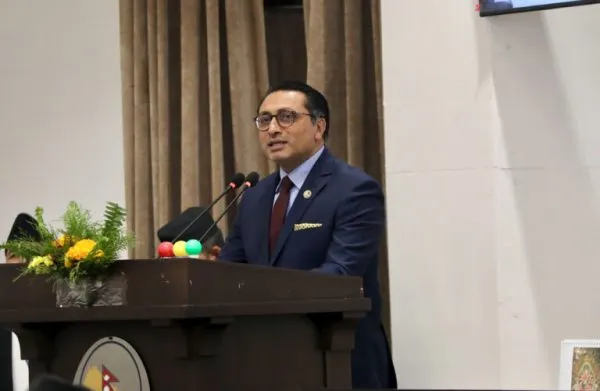
महासङ्घले अर्थमन्त्री डा स्वर्णिम वाग्लेलाई बजेटका सुझाव पेस गर्दै महासङ्घले आगामी बजेट केबल सामान्य वार्षिक दस्तावेज मात्र नभई नेपालको आर्थिक इतिहासकै विशिष्ट मोडमा आउन लागेको जनाउँदै अर्थतन्त्रको वर्तमान मोडेलमा आमूल परिवर्तन गर्न सुझाव दिएको छ ।
अर्थमन्त्री डा वाग्लेले पनि नागरिकले अब भाषण होइन, परिणाम खोजेको उल्लेख गर्दै कानुनी सुधार, संस्थागत उत्तरदायित्व, समयसीमा, डिजिटल ट्याकिङ, प्रत्यक्ष अनुगमन र परिणाम मापनलाई राज्य सञ्चालनको केन्द्रमा राखिएको बताएका थिए । उनले पहिलो पटक मिसन मोडका आधारमा अगाडि बढ्न खोजेको स्पष्ट पारेका छन् ।
निजी क्षेत्रले खस्कँदो व्यावसायिक मनोबल उकास्न, बजारमा माग सिर्जना गर्न र रोकिएको लगानी पुनःआर्किषित गर्न, रोजगारी सिर्जना गर्नेगरी बजेटमा नीतिगत सुधारको सुझाव दिएको छ ।
महासङ्घका नवनिर्वाचित अध्यक्ष अञ्जन श्रेष्ठका अनुसार हालै सार्वजनिक भएकोे ‘६ स्तम्भ, ६० पहल’ सहितको साझा राष्ट्रिय रूपरेखाले सरकारकै नीति तथा कार्यक्रमलाई सहयोग गर्छ ।
विप्रेषण र आयातमा आधारित अर्थतन्त्रले दीर्घकालीन समृद्धि दिन नसक्ने बुझाइमा निजी क्षेत्र पनि पुगेको छ । त्यसकारण पनि रुपान्तरणकारी बजेट आउनेमा निजी क्षेत्र आशावादी छ । चालु आवको नौ महिनासम्म कुल रु १६ खर्ब ५९ अर्ब बराबरको विप्रेषण आप्रवाह भएको छ । विप्रेषणको ठूलो हिस्सा उपभोगमा खर्च हुने गरेको छ । आयातमा आधारित अर्थतन्त्रका कारण उद्योग क्षेत्र विस्तार हुन सकेको छैन । बैंक तथा वित्तीय संस्थामा तरलता बढे पनि लगानी विस्तार हुन सकेको छैन ।
हरेक वर्ष कर नीति बदलिने प्रवृत्तिले लगानीकर्ताको विश्वास गुमेको महासङ्घका अध्यक्ष श्रेष्ठको भनाइ छ । निजी क्षेत्रले सालबसाली आर्थिक ऐनको अस्थिर अभ्यास अन्त्य गरी व्याख्यासहितको एकल राजस्व संहिता लागू गर्न र अधिकार सम्पन्न राजस्व बोर्डको गठन गर्न माग गर्दै आएको छ ।
आगामी बजेटले अर्थतन्त्रको मोडेलमै रूपान्तरणको जग बसाल्ने उल्लेख गर्दै अर्थमन्त्रीले क्रमशःसुधारका धेरै काम अगाडि बढाउने निजी क्षेत्रका प्रतिनिधिमूलक संस्थाका प्रतिनिधिहरुसँगको भेटमा बताउँदै आएका छन् ।
महासङ्घका अनुसार, हाल मुलुकको औद्योगिक उत्पादन क्षमता ४० प्रतिशतमा सीमित भएको छ । निर्माण उद्योग इतिहासकै कठिन मोडमा पुगेको, कुल गार्हस्थ्य पुँजी निर्माणमा निजी क्षेत्रको योगदान विगत चार वर्षमा २८ प्रतिशतबाट घटेर १६ प्रतिशतमा झरेको अवस्थालाई ध्यानमा राखेर बजेट आउनुपर्ने महासङ्घको कथन छ ।
पछिल्लो पटक मध्यपूर्वमा विकसित सङकटका कारण नेपालको वैदेशिक रोजगारी, विप्रेषण र विदेशी मुद्रा सञ्चितिका साथै समग्र अर्थतन्त्रमा झण्डै एक दशमलव आठ प्रतिशत बराबरको नकारात्मक असर पर्नसक्ने महासङ्घको अनुमान छ ।
यस्तै, नेपालले पाइरहेको जनसाङ्ख्यिक लाभ पनि क्रमशः समाप्त हुँदै जाने भएकाले विप्रेषणले धानिरहेको अर्थतन्त्रबाट तत्काल उत्पादनले धान्ने अर्थतन्त्रतर्फ जानुको विकल्प नरहेकोमा निजी क्षेत्र जानकार छ ।
यसैगरी, नेपाल अतिकम विकसित मुलुकबाट विकासशील मुलुकमा स्तरोन्नतिको पृष्ठभूमिमा स्तरोन्नतिपछि नेपालले पाउँदै आएको प्राथमिकताप्राप्त बजार पहुँच गुम्ने र ढुवानी तथा वित्तीय लागतका कारण नेपाली उत्पादन थप कमजोर हुने जोखिम पनि छ ।
महासङ्घले यसका लागि निर्यातजन्य उद्योग (कपडा, कार्पेट, गार्मेन्ट, पश्मिना, फेल्ट) का लागि विशेष र दीर्घकालीन एकीकृत नीति ल्याउनुपर्नेमा जोड दिएको छ ।
नेपाली कम्पनीलाई क्षेत्रीय र अन्तरराष्ट्रियस्तरमा विस्तारका लागि निर्यातबाट आर्जित आम्दानीको निश्चित हिस्सा विदेशमा लगानी गर्न पाउने कानुनी व्यवस्था गनुपर्ने निजी क्षेत्रको ले माग गरेको छ ।
खुला सीमाबाट हुने चोरीपैठारी नियन्त्रण गर्न र साफ्टाअन्तर्गत तयारी वस्तु कच्चा पदार्थभन्दा सस्तो आयात हुने विकृति तत्काल रोक्नुपर्नेछ ।
रुग्ण उद्योग पुनः सञ्चालनका लागि विशेष कार्यक्रम, ऊर्जा, प्रसारण लाइन, पम्प स्टोरेज, सुरुङमार्ग र औद्योगिक क्षेत्रमा बुट र पिपिपी मोडेल प्रभावकारी बनाउन तथा भायबिलिटी ग्याप फण्डमार्फत निजी लगानी प्रोत्साहन गर्नुपर्नेमा जोड दिइएको छ ।
कृषि, पर्यटन, जडीबुटी, चिया, कफी, सूचना प्रविधि र सेवा निर्यातलाई उच्च प्राथमिकता दिँदै नेपाललाई उपभोक्ता बजारबाट उत्पादन र सेवा निर्यात गर्ने राष्ट्र बनाउन निजी क्षेत्रले सरकारसँग बजेटमार्फत ठोस कदमको अपेक्षा राखेको अध्यक्ष श्रेष्ठको भनाइ छ ।
निर्यात प्रवद्र्धनमा सहुलियत कृषि, पर्यटन, स्टार्टअप, साना तथा मझौला उद्योगको प्रवद्र्धनलगायत विभिन्न विषयगत श्रेत्रमा सुधारक लागि सरकालाई सुझाव दिएको छ ।
अर्थमन्त्री डा वाग्लले सरकार र निजी क्षेत्र मिलेरै काम गर्ने उल्लेख गर्दै बजेट सुुशासन कायम गर्ने, निजी क्षेत्रको विकासमा बल पुग्ने, लगानी अभिवृद्धि गरी रोजगारी सिर्जना गर्न सहयोग गर्नेगरी आउने प्रतिबद्धता व्यक्त गरेका छन्।
नेपाल उद्योग परिसङ्घले आफ्ना सदस्यहरुसँग बजेटका बारेमा सुझाव दिन परिपत्र नै गरेको थियो । प्राप्त सुझावलाई लिपिबद्ध गरेर परिसङ्घले उद्योग तथा लगानी, प्रत्यक्ष विदेशी लगानी, कर नीति तथा प्रणाली, भन्सार, पर्यटन, कृषि, जडीबुटी तथा वनपैदावारसँग समेटिएका सुझाव अर्थमन्त्रीलाई बुझाएको छ ।
यस्तै, ऊर्जा, सूचना प्रविधि क्षेत्र, बैंकिङ तथा वित्त, बिमा, सहकारी तथा पुँजीबजार, स्वदेशी उत्पादन प्रवद्र्धन, पूर्वाधार, स्वास्थ्य तथा शिक्षा, गैर कर, राजस्व चुहावट तथा सम्पत्ति शुद्धीकरणसँग सम्बन्धित सुझाव दिएको छ ।
परिसङ्घका अध्यक्ष वीरेन्द्रराज पाण्डे आयआर्जन र सम्पत्ति सिर्जनालाई सहयोग गर्नेगरी बजेट ल्याउन आफूहरुले सुझाव दिएको बताउँछन् । उनले अर्थतन्त्र विस्तार, रोजगारी सिर्जना तथा लगानी वृद्धिमा उल्लेख्य सुधार आई मुलुकको समृद्धिको यात्रामा महत्वपूर्ण टेवा पुग्ने विश्वास लिइएको बताए ।
ठूला पूर्वाधारका परियोजनामा निजी क्षेत्रलाई आकर्षित गर्ने नीति लिन, उद्योगको स्वीकृत परियोजनाअनुसार आवश्यक जग्गामा हदबन्दी नलाग्ने व्यवस्था गरी अतिरिक्त जग्गा धितो राख्न पाउने प्रबन्ध गर्न परिसङ्घले सुझाव दिएको छ ।
उद्योगलाई पहिलो प्राथमिकतामा राखी नीतिगत सुधार गर्दै यस्ता नीतिहरूको न्यूनतम १० वर्ष स्थायित्व सुनिश्चित गर्न, प्रतिस्पर्धी क्षमता भएका वस्तु केन्द्रित औद्योगिक विकास रणनीति बनाई लागू गर्न, रोजगारी, उत्पादन र आयात प्रतिस्थापनलाई केन्द्रमा राखी बजेट ल्याउन परिसङ्घले आग्रह गरेको छ ।
अर्थमन्त्री डा वाग्लेले पाँच मार्गदर्शक सिद्धान्त सुशासनको लाभांश, अर्थतन्त्रको पुनःसंरचना, एकीकृत पूर्वाधार, सामाजिक लगानी र बहुआयामिक अन्तरराष्ट्रिय सम्बन्ध यिनै आधारमा प्राथमिकता निर्माण गरिएको दोहो¥याउँदै आएका छन् । उनले भनेका छन्, “हाम्रो विश्वास छ, यी प्राथमिकताले आर्थिक वृद्धि, रोजगारी, सामाजिक न्याय, उत्पादकता, प्रतिस्पर्धात्मकता र नागरिकको जीवनस्तरमा गुणात्मक सुधार ल्याउने आधार निर्माण गर्नेछन् ।” -रमेश लम्सालर रासस
Kathmandu. As the government prepares the budget for the upcoming fiscal year, the private sector has suggested that the government bring a transformative budget that will bring about structural reforms in the economy.
The private sector has not only suggested to the government to make radical changes to the current model of the economy, but has also pledged to move forward with full cooperation.
Politically, the government is also equipped with new ideas and thinking. Similarly, a new leadership has been elected in the Federation of Nepalese Chambers of Commerce and Industry. Stakeholders have expressed confidence that there will be a radical change in the economic model.
The priorities and principles of the Appropriation Bill have been passed by both houses of the Federal Parliament. As stipulated in the Constitution, the Finance Minister will make the budget public on 15th Jestha through a joint meeting of both houses of the Federal Parliament.
Submitting budget suggestions to Finance Minister Dr. Swarnim Wagle, the Federation has suggested a radical change in the current model of the economy, stating that the upcoming budget is not just an ordinary annual document but is coming at a special juncture in Nepal's economic history.
Finance Minister Dr. Wagle also stated that citizens are now looking for results, not speeches, and said that legal reforms, institutional accountability, deadlines, digital tracking, direct monitoring, and result measurement have been placed at the center of state operations. He has made it clear that for the first time, he is trying to move forward on the basis of mission mode.
The private sector has suggested policy reforms in the budget to boost declining business morale, create demand in the market, re-attract stalled investment, and create jobs.
According to the newly elected president of the Federation, Anjan Shrestha, the recently made public common national framework with '6 pillars, 60 initiatives' supports the government's policies and programs.
The private sector has also come to the understanding that an economy based on remittances and imports cannot provide long-term prosperity. That is why the private sector is optimistic about the coming of a transformative budget. A total of Rs. 1.659 trillion worth of remittances have been inflowed in the first nine months of the current fiscal year. A large portion of the remittances are spent on consumption. Due to an import-based economy, the industrial sector has not been able to expand. Despite increased liquidity in banks and financial institutions, investment has not been able to expand.
Federation President Shrestha says that investors have lost confidence due to the trend of changing tax policies every year. The private sector has been demanding an end to the unstable practice of annual economic acts, implementation of a single revenue code with interpretations, and the formation of a powerful revenue board.
Stating that the upcoming budget will lay the foundation for transformation in the economic model, the Finance Minister has been telling representatives of private sector representative organizations that many reform efforts will be gradually taken forward.
According to the Federation, the country's industrial production capacity is currently limited to 40 percent. The Federation says that the budget should be prepared keeping in mind that the construction industry has reached a difficult juncture in history, and the private sector's contribution to gross domestic capital formation has declined from 28 percent to 16 percent in the past four years.
The Federation estimates that the recent crisis in the Middle East could have a negative impact of approximately 1.8 percent on Nepal's foreign employment, remittances, and foreign exchange reserves, as well as the overall economy.
Similarly, the private sector is aware that as the demographic advantage that Nepal is enjoying is gradually waning, there is no option but to immediately move from a remittance-based economy to a manufacturing-based economy.
Similarly, against the backdrop of Nepal's upgrade from a least developed country to a developing country, there is also a risk that Nepal will lose the preferential market access it has been enjoying after the upgrade and that Nepali production will be further weakened due to transportation and financial costs.
The Federation has emphasized the need to bring a special and long-term integrated policy for export-oriented industries (textiles, carpets, garments, pashmina, felt) for this.
The private sector has demanded that a legal provision be made to allow Nepali companies to invest a certain portion of their export earnings abroad to expand regionally and internationally.
It is necessary to immediately stop smuggling through open borders and the distortion of importing finished goods cheaper than raw materials under SAFTA.
Emphasis has been placed on special programs to re-open sick industries, making the BOOT and PPP models effective in energy, transmission lines, pump storage, tunnels, and industrial sectors, and encouraging private investment through the Viability Gap Fund.
Chairman Shrestha said that the private sector expects concrete steps from the government through the budget to make Nepal a nation that exports products and services from the consumer market, giving high priority to agriculture, tourism, herbs, tea, coffee, information technology, and service exports.
The government has been suggested to make reforms in various thematic areas, including concessions in export promotion, agriculture, tourism, startups, and promotion of small and medium enterprises.
Finance Minister Dr. Wagle has expressed his commitment to work together with the government and the private sector to maintain good budget governance, strengthen the development of the private sector, and help create employment by increasing investment.
The Confederation of Nepalese Industries (CNI) had issued a circular to its members to provide suggestions on the budget. After recording the suggestions received, the CNI has submitted the suggestions covering industry and investment, foreign direct investment, tax policy and system, customs, tourism, agriculture, herbs and forest products to the Finance Minister.
Similarly, suggestions have been made related to energy, information technology sector, banking and finance, insurance, cooperatives and capital markets, domestic product promotion, infrastructure, health and education, non-tax, revenue leakage and money laundering.
Federation President Birendra Raj Pandey says that they have suggested bringing a budget that supports income generation and wealth creation. He said that it is believed that significant improvements in economic expansion, employment creation and investment growth will contribute significantly to the country's journey to prosperity.
The federation has suggested adopting a policy to attract the private sector to large infrastructure projects, and making arrangements to allow the industry to mortgage additional land by not imposing a limit on the land required as per the approved project.
The Confederation has urged to ensure the stability of such policies for at least 10 years by making policy reforms with industry as the first priority, to formulate and implement an industrial development strategy focused on products with competitive capabilities, and to bring a budget focusing on employment, production, and import substitution.
Finance Minister Dr. Wagle has been reiterating that the priorities have been built on the basis of the five guiding principles of good governance dividends, economic restructuring, integrated infrastructure, social investment and multidimensional international relations. He said, “We believe that these priorities will create the basis for economic growth, employment, social justice, productivity, competitiveness and qualitative improvement in the living standards of citizens.” -Ramesh Lamsalar RSS
स्रोतमा पूरा पढ्नुहोस् (nepalpress.com)