
World Toilet Day
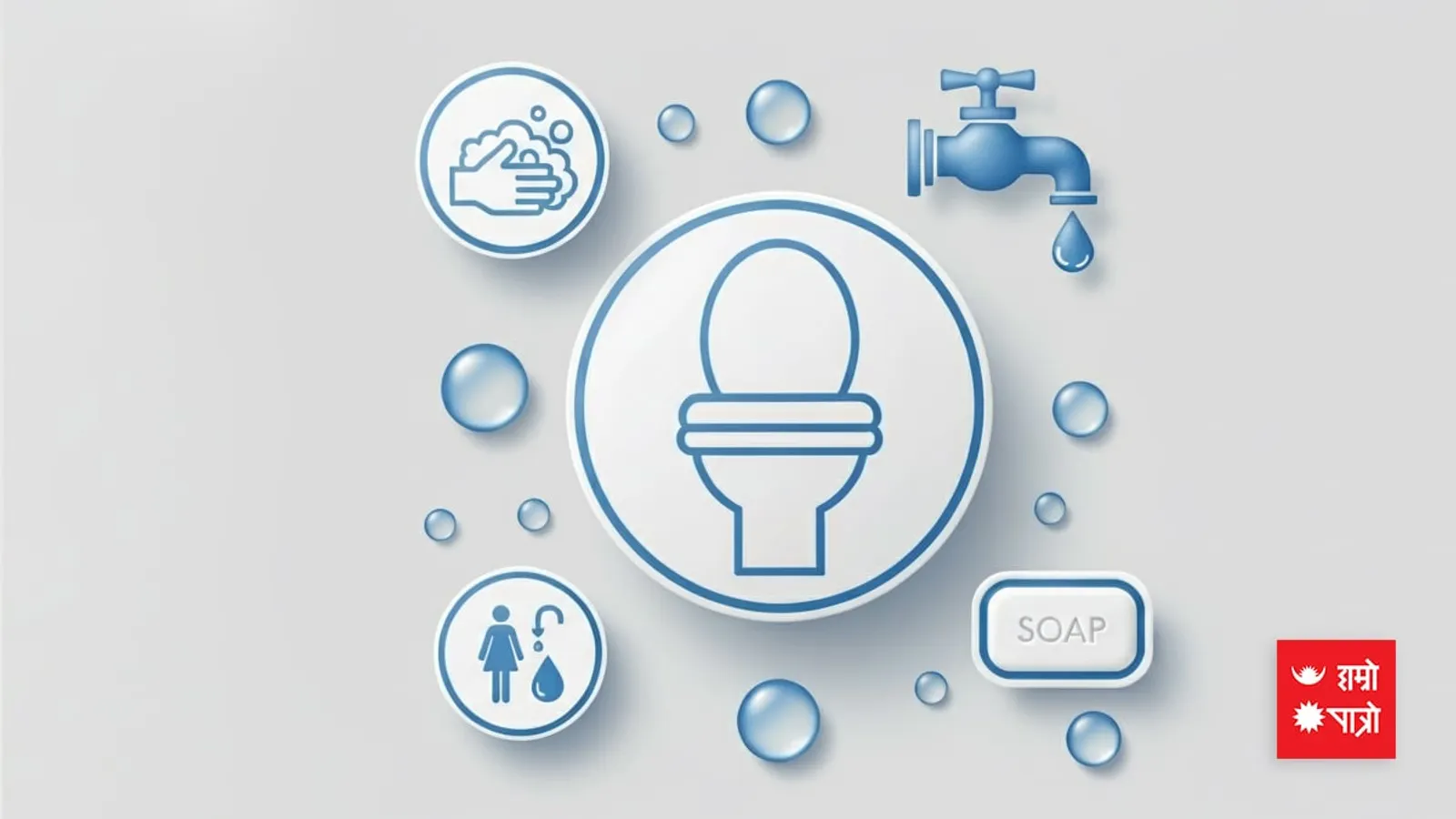

World Toilet Day
Special Audio
Tap to listen
Global statistics of toilet usage
Worldwide 4.2 billion people live without safely managed sanitation and around 673 million people still practice open defecation.
Is toilet ignorable?
As an indispensable thing to human life, Toilet has several names like restroom, latrine, and many others. Many of us have experienced and endured the threat of being locked in a toilet if a child does not read well. It is sometimes argued that the toilet, which is indispensable for life and synonymous with cleanliness, is viewed with so much hatred and disgust.
Sadly, most cities or villages in Nepal do not have proper toilet facilities. Many of us have a habit of defecating and urinating in the toilet of the house when we have to go out and holding it till we return so that we don't get in the way.
We have found that most of the toilets from the hospital to the cinema are smelly. Now, gradually, public toilets are getting cleaner in Nepal but still, a lot is to be done.
The world celebrates World Toilet Day on November 19 every year, highlighting the importance of this toilet and its importance.
World Toilet Day is an annual United Nations Observance promoted through a worldwide public campaign that encourages action to tackle the global sanitation crisis.
Even though the daily use of toilets is gradually increasing in Nepal, why are public toilets not a priority in the urban sprawl model in the growing urbanizations, and why there is no proper sanitation and management?
But even in the developed cities of Nepal, there is no easy public toilet system, which makes it very difficult. In some places, the cost of public toilets is so high that it seems that we are the ones who pay the highest amount of money for the toilet, in the world.
The main thing is not to let the next generation develop the feeling that the toilet is a dirty place, it is important to spread the information and messages to every class, gender, caste, community that there is no alternative to cleaning the toilet and making it infection-free. Remember that proper use of clean toilets is also an integral part of a civilized society.
World Philosophy Day
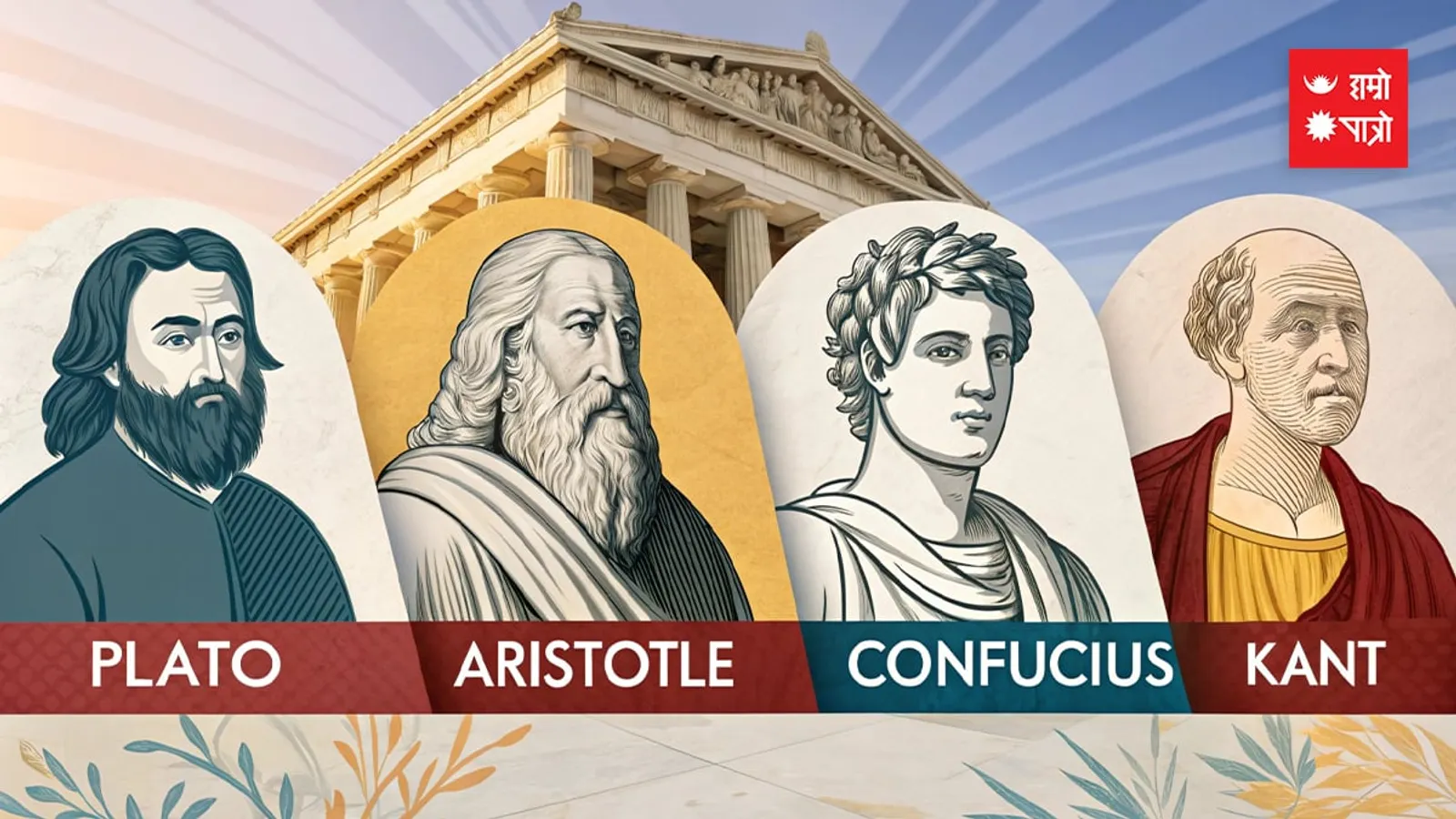
World Philosophy Day, observed annually on the third Thursday of November, falls on November 29, 2026. This UNESCO-designated event is an opportunity to honor philosophy’s enduring legacy and its role in shaping human thought, culture, and society.
Philosophy, derived from the Greek words
Philosophy, derived from the Greek words "philo" (love) and "sophia" (wisdom), is the foundation of critical thinking and intellectual inquiry. World Philosophy Day invites individuals, scholars, and communities worldwide to reflect on life’s profound questions and embrace the power of reasoning to address contemporary challenges.

The Origins and Purpose of World Philosophy Day
UNESCO first established World Philosophy Day in 2002 to highlight the enduring value of philosophy for human progress. Philosophy, as a discipline, enables critical dialogue about values, ethics, and our collective future, making it essential in addressing global issues like inequality, climate change, and peacebuilding.
The observance aims to:
- Promote philosophical analysis and critical discussion of current issues.
- Encourage intergenerational and intercultural dialogue.
- Reinforce the importance of teaching philosophy to foster open-mindedness and intellectual curiosity.
Philosophy encourages questions such as:
- What are our ethical duties to future generations?
- How can we balance individual freedoms with communal well-being?
- What philosophical insights can guide sustainable development and global cooperation?
Why Philosophy Matters Today
In an increasingly polarized and complex world, philosophy is more relevant than ever:
1. Critical Thinking: It equips individuals to question assumptions, analyze arguments, and make informed decisions.
2. Ethical Guidance: Philosophy provides frameworks to address moral dilemmas, from bioethics to environmental stewardship.
3. Global Understanding: Philosophical inquiry fosters respect for diverse perspectives, promoting peace and understanding.
4. Personal Growth: Engaging with philosophy encourages introspection, helping individuals lead meaningful lives.
More from HamroPatro
Today's Rashifal


Comment down if you can🤗

Clean Habits, Healthy Life

Always keep smiling.
