
Haribodhini Ekadashi Vrata / Tulsi Vivah
It is believed that Lord Vishnu, who has been fast asleep since Harishyani Ekadashi, wakes up today. Haribodhini Ekadashi is an important Ekadashi, this Ekadashi is also called the biggest Ekadashi or Thuli Ekadashi, because of its glory. This Ekadashi shares an intrinsic attachment with the Tulsi plant.
Tulsi (Basil) worship is of great importance in Vedic Sanatan Sanskar. For thousands of years, the Sanatan practitioners have been getting up in the morning, pouring water on Tulsi, and bowing down to their daily routine. Basil plants and leaves are important in every Sanatan Sanskar from birth to death. The practice of eating meals only by adding basil leaves and offering them to God is still prevalent in many homes and traditions. It is customary to use the Tulsi Moth (Tulsi idol or Tulsi home) near the courtyard as a sacred place for marriage ceremonies and even death.

From Padma Purana
In the Padma Purana, the importance of Tulsi is associated with the asceticism of Binda Devi who came to earth to find Lord Vishnu as her husband. Similarly, the divine qualities of the basil plant are explained in the 19th section of 3 of 5 of Srimaddha Bhagwat Geeta.
Formally planted on Harishyani Ekadashi, the basil plant is now matured on Haribodhini Ekadashi. Today, Tulsi is ritually chanted and worshiped at home, and there is a tradition of marrying the Tulsi planted on Ashadh Shukla Ekadashi to the Peepal tree.
देवी त्वं निर्मिता पूर्वमर्चितासि मुनीश्वरैः ।
नमो नमस्ते तुलसी पापं हर हरिप्रिये ।।
Known as Kartik Shukla Ekadashi i.e. Haribodhani, Thuli Ekadashi, or Tulsi Vivah, this day is especially celebrated with the worship of Lord Vishnu.
According to the Sanatan Dharma, Lord Vishnu first woke up four months after Ashadh Shukla Ekadashi. On this holy day, Lord Vishnu first heard the prayer of Tulsi and woke up from the effect of the same prayer. It is a symbolic marriage to depict the holy unification of Lord Vishnu and mother Lakshmi.
May the world learn from Sanatan rituals, we value plants and also symbolically marry them to acknowledge the role of plants and their contribution to our existence.
Mat we know the unification and solidarity from the combination of Peepal and Tulsi and the anecdotes of Vishnu and Lakshmi.
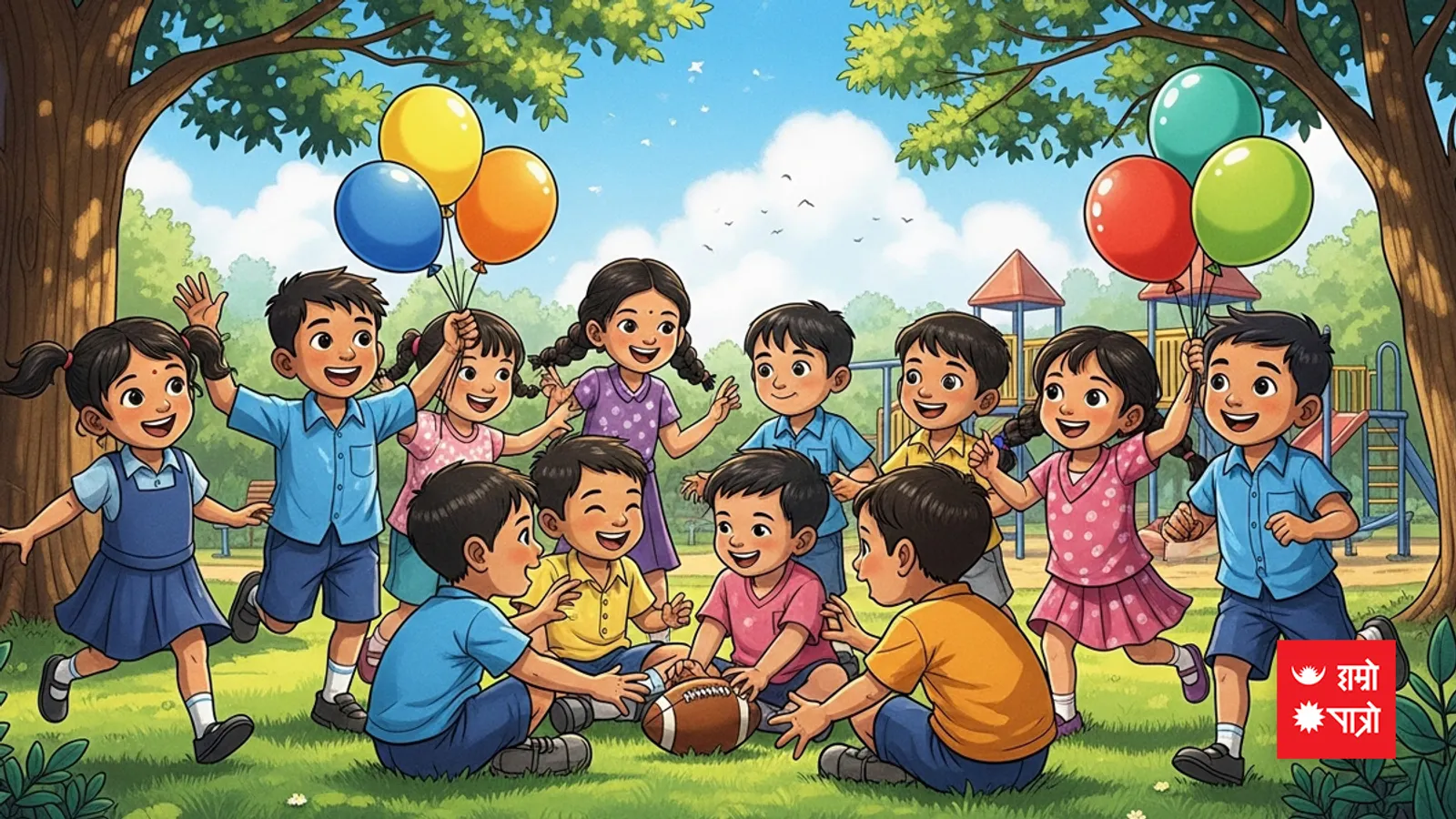
World Children’s day
2.Goals
World Children’s Day is about:
- Raising awareness of issues that affect children, such as education, health care, and protection from violence.
- Celebrating progress made in child welfare.
- Urging global leaders to take action for children’s rights.
Each year, the day focuses on a specific theme to highlight a pressing issue. Themes have included education for all, ending child labor, and promoting inclusion.

3. Symbolism and Activities
-Blue is often used as the symbolic color for the day, representing peace and child rights.
- Activities include advocacy campaigns, educational events, and special programs focusing on children’s participation.
- Children are often given platforms to voice their opinions and share their visions for a better future.
4. Global Importance
World Children’s Day serves as a reminder that children are the future of humanity. It emphasizes the importance of creating safe, inclusive, and nurturing environments for all children, irrespective of their race, gender, or socio-economic background.
5. Calls to Action
Organizations like **UNICEF, Save the Children, and various governments use the day to:
- Campaign for equal rights for children.
- Highlight challenges such as poverty, lack of education, and discrimination.
- Encourage communities to empower children through education, healthcare, and opportunities.
This day unites the world to build a brighter, more inclusive future where every child’s potential can be realized.
More from HamroPatro
Today's Rashifal


Comment down if you can🤗

Clean Habits, Healthy Life

Always keep smiling.
